
“Enfilade” at Ķimale Manor
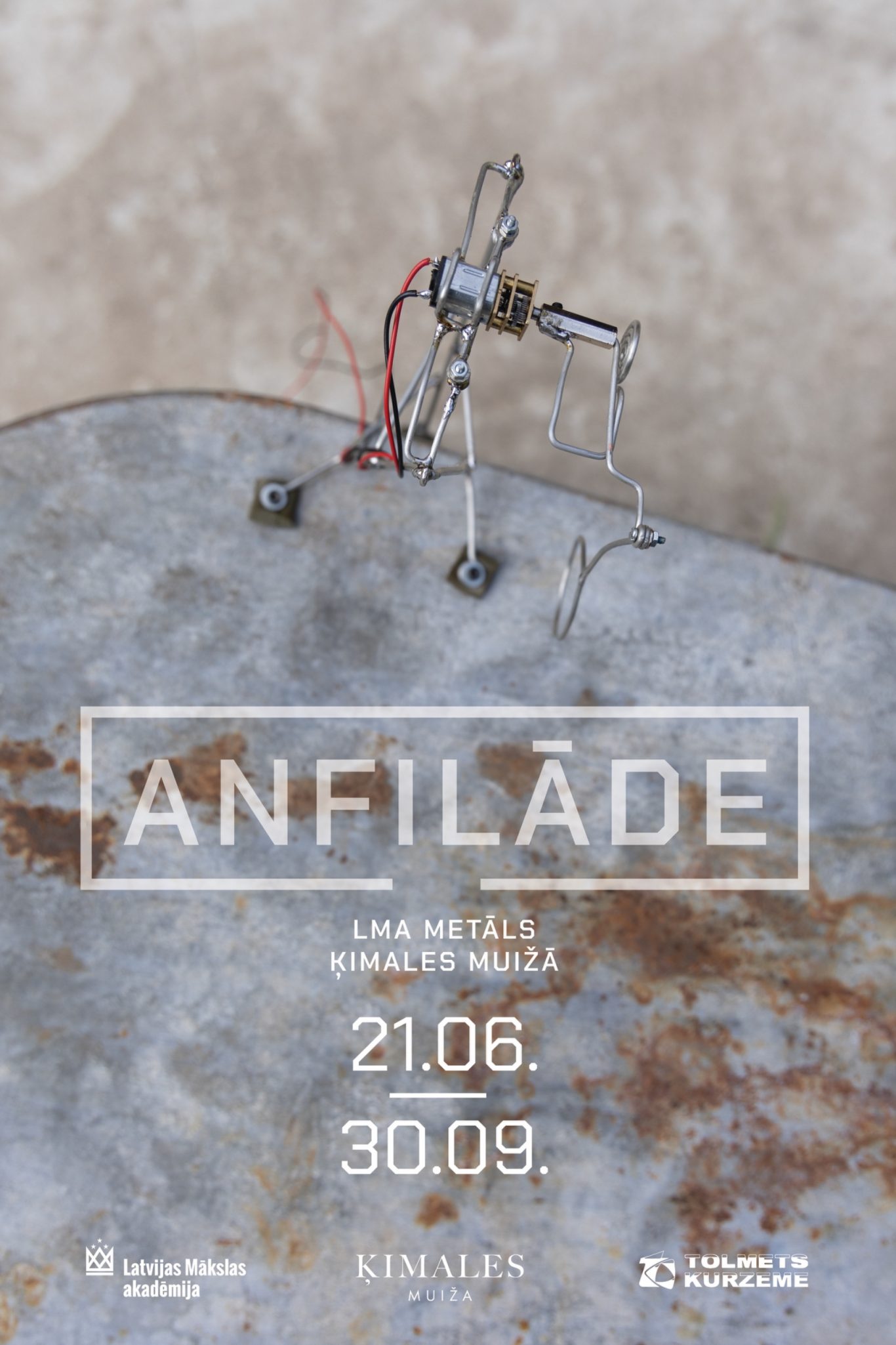
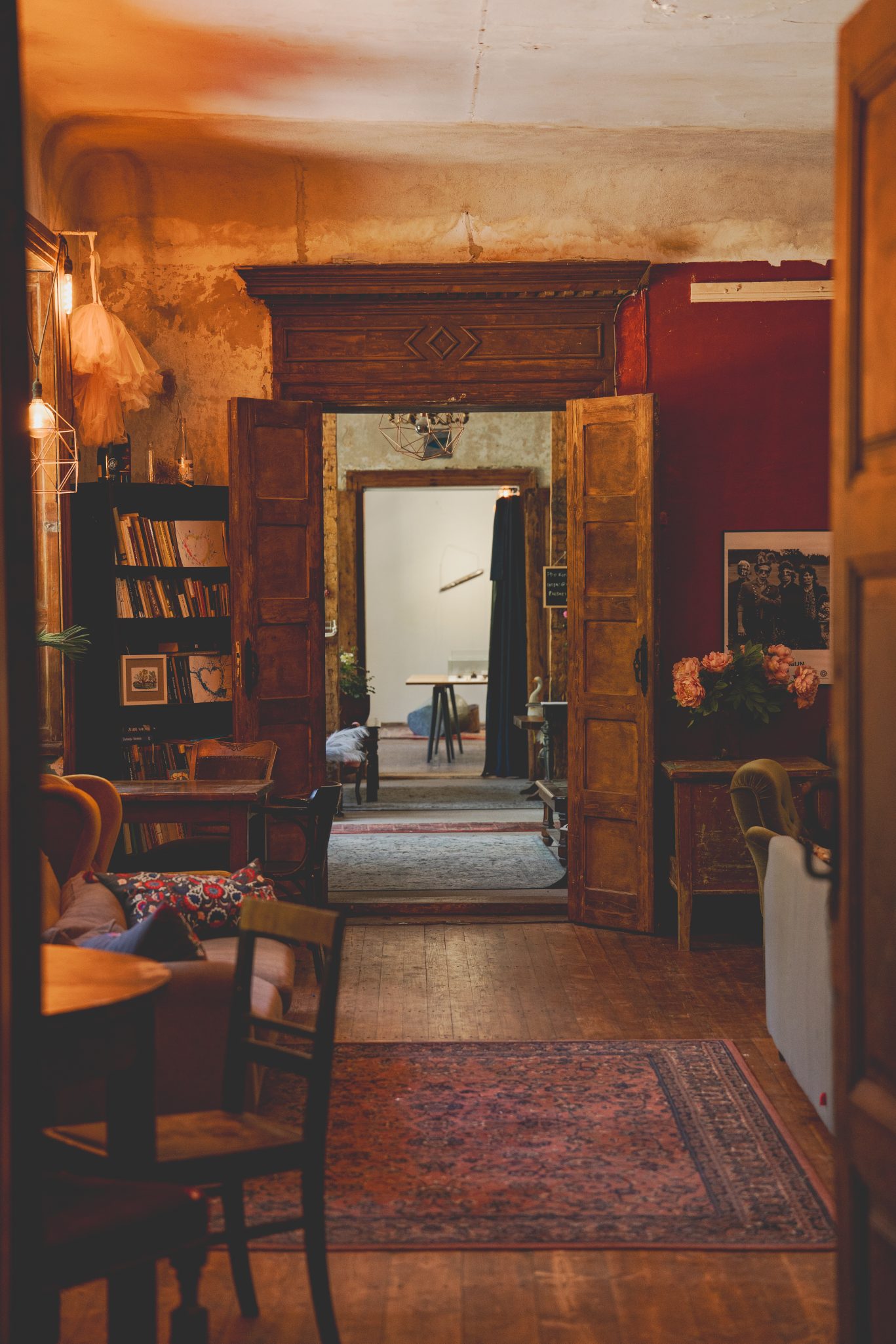
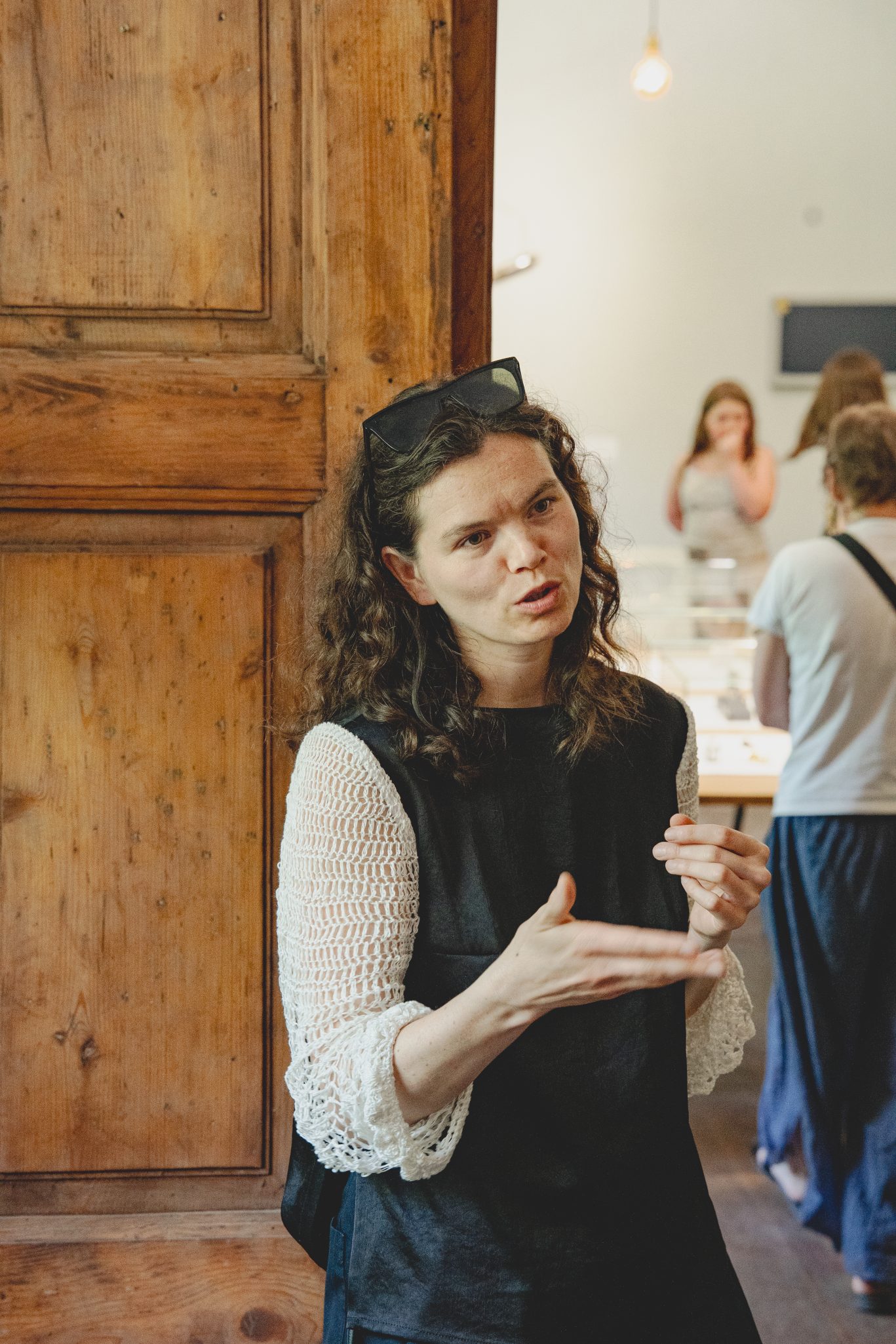
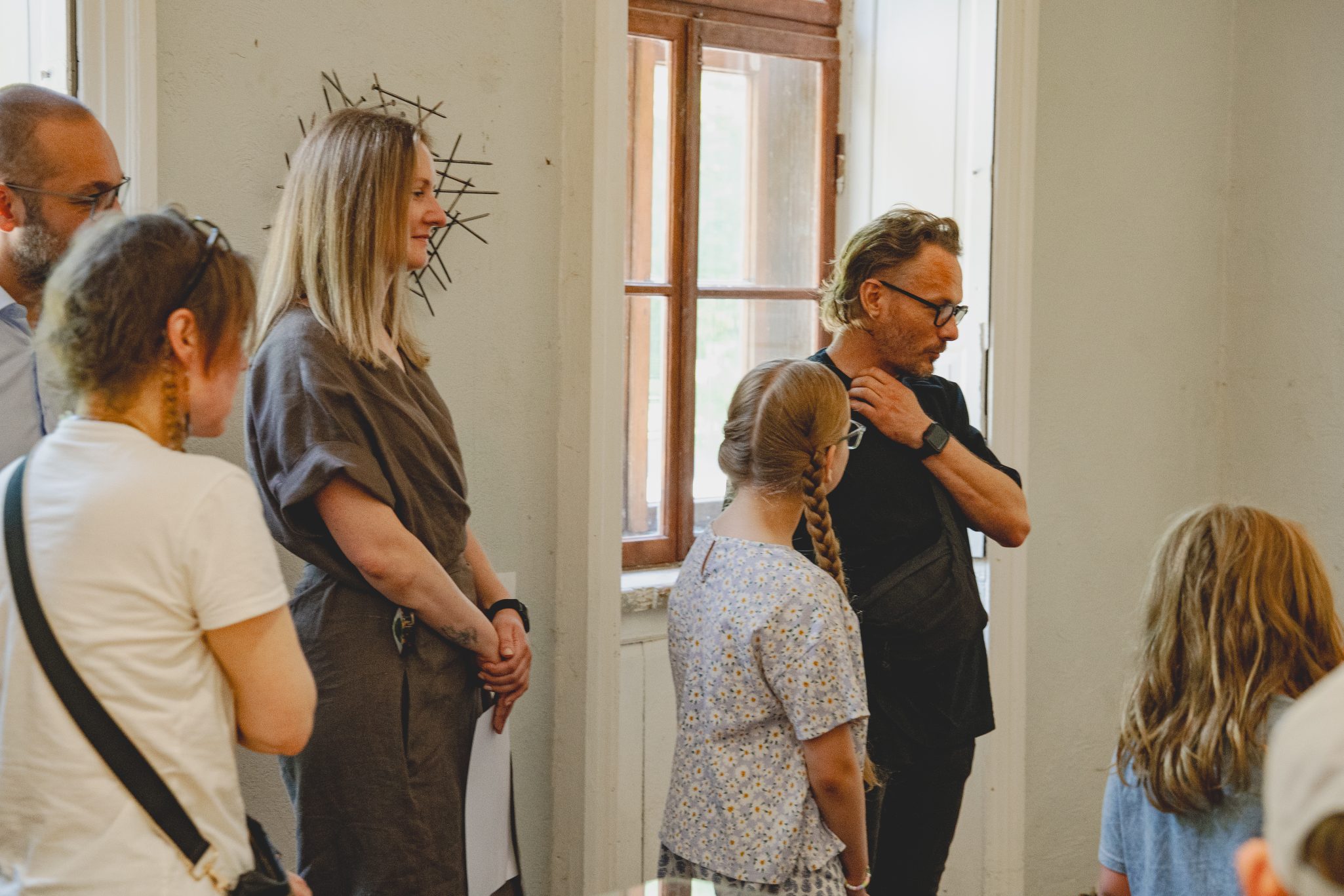
Until 30 September 2026, Ķimale Manor in Padure Parish hosts Enfilade, an exhibition of contemporary art by students and lecturers of the Metal Design Department at the Art Academy of Latvia. The exhibition is presented both inside the manor and throughout its park, creating a dialogue between the historic architecture, the surrounding landscape, and contemporary art.
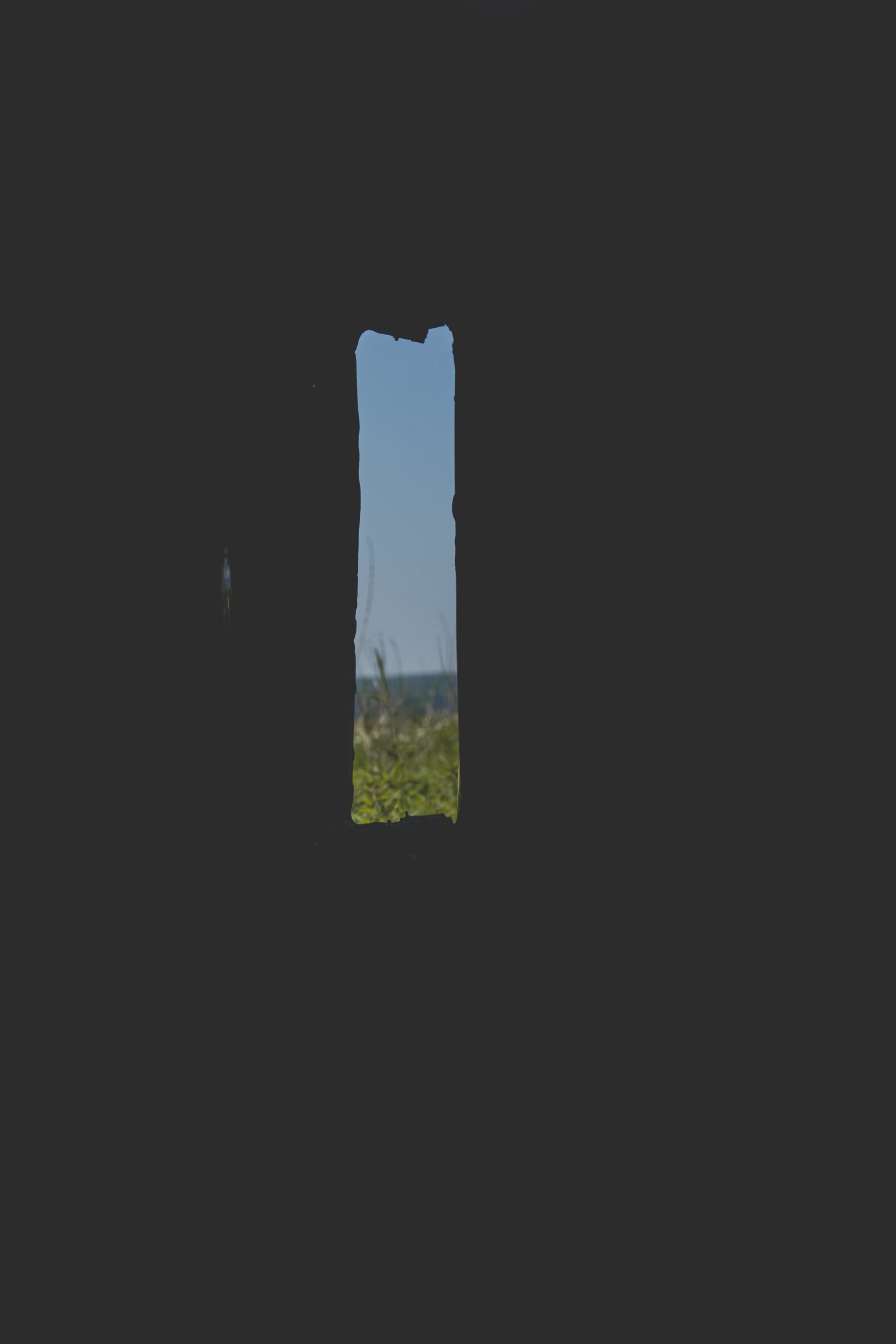
An enfilade is an architectural principle in which rooms, doorways, or arches are arranged along a single axis, creating an uninterrupted line of sight and movement. The participating artists interpret this concept more broadly—as a structure of sequence, rhythm, transition, and interconnected relationships. Throughout the exhibition, the principle of the enfilade is explored through spatial objects and installations, as well as jewellery, design, and video works.
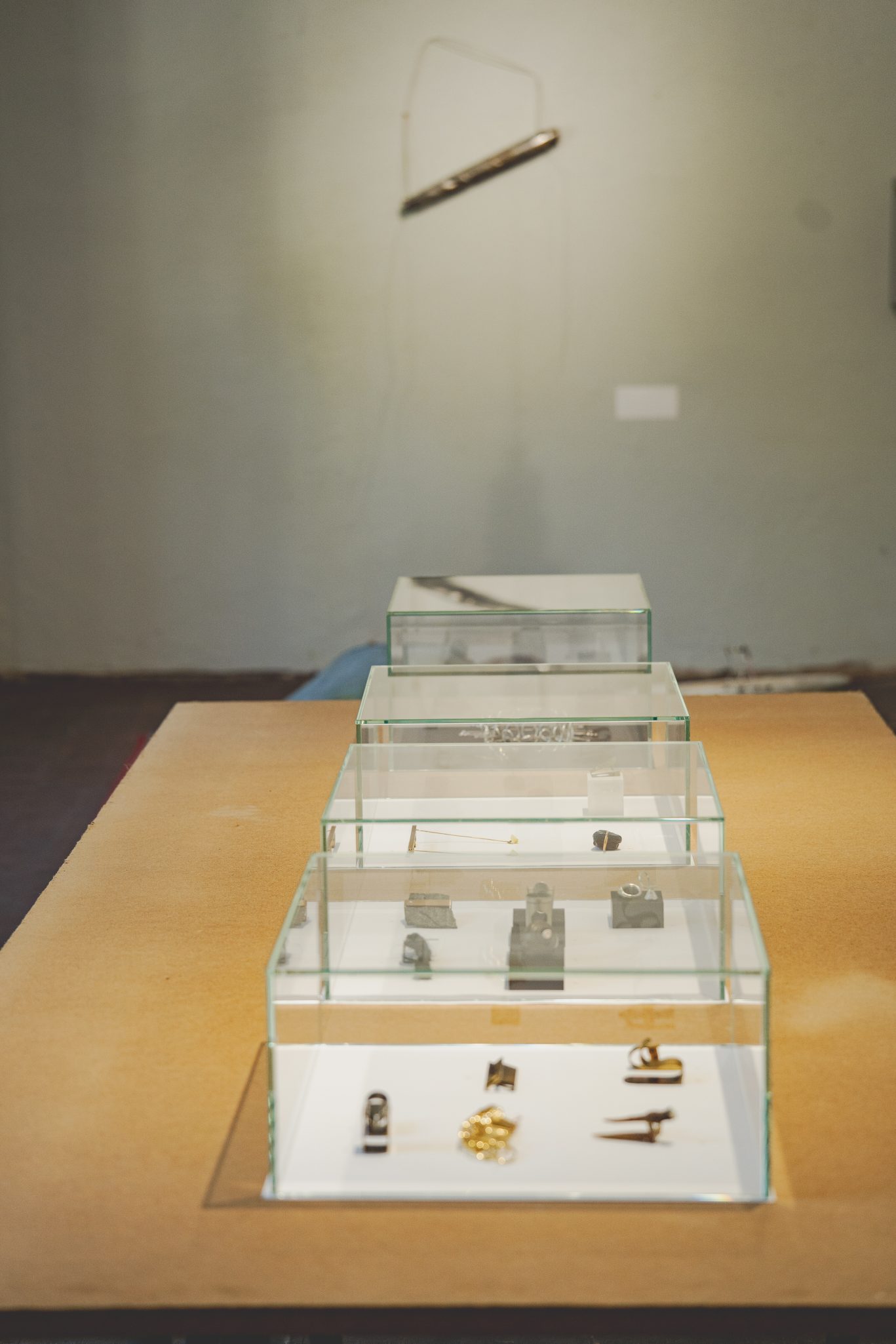
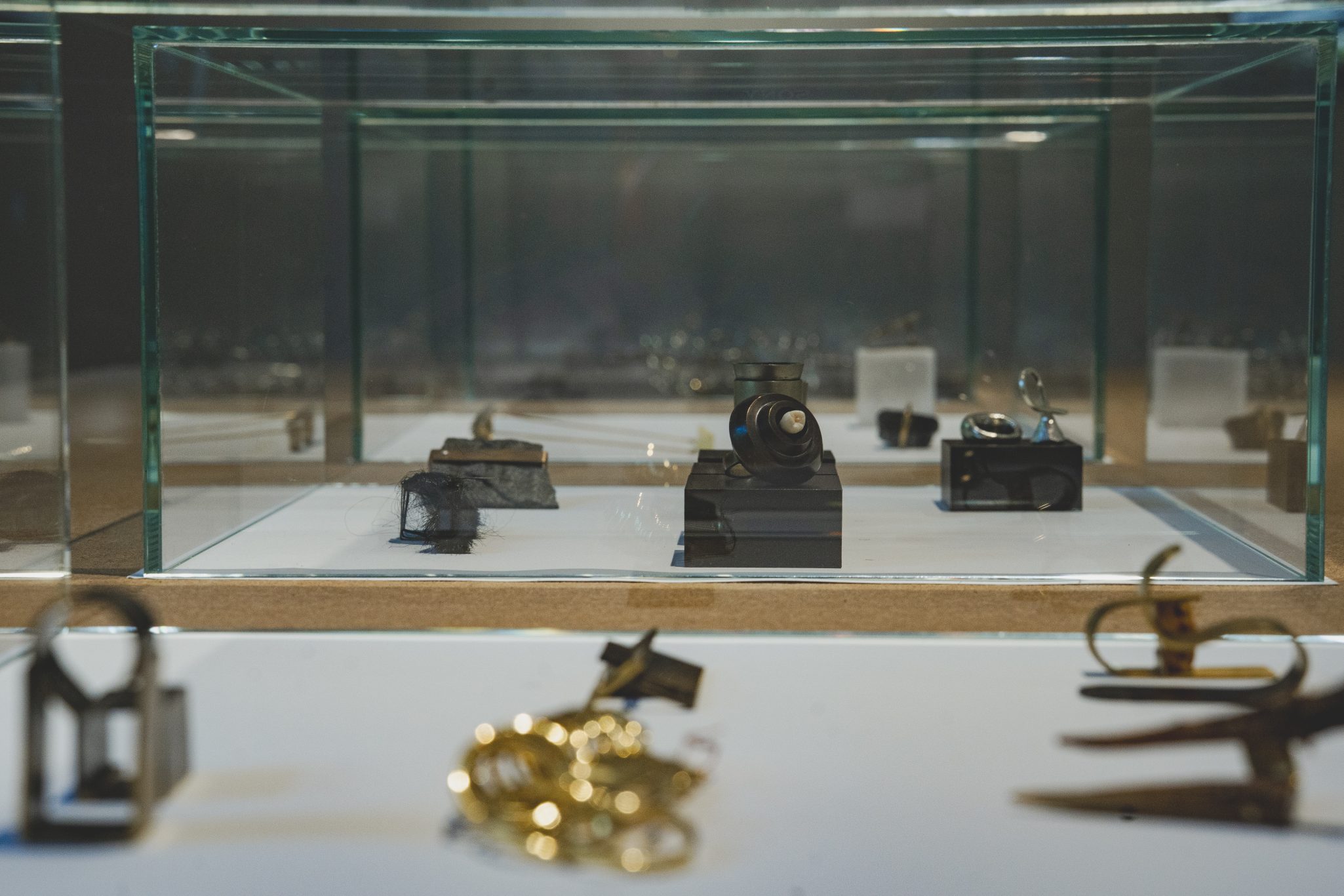
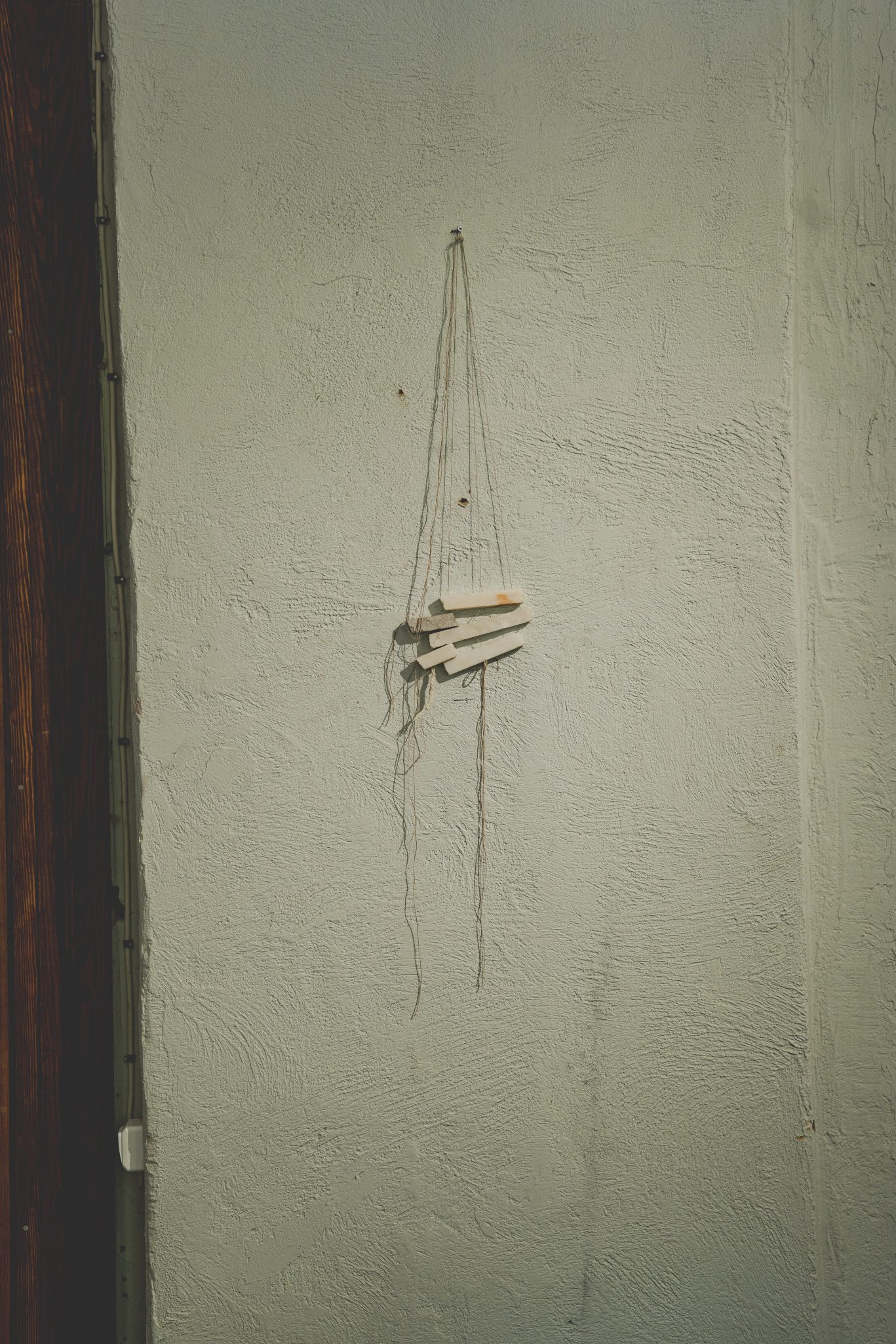
Alongside works created during the plein-air workshop at Ķimale Manor, the exhibition also includes pieces developed earlier as part of the study process. This gives the exhibition its diverse character, ranging from finely crafted contemporary jewellery to installations and objects made from found industrial materials. One such example is a study assignment focused on the production of professional jewellery-making tools. This includes a set of ring gauges created by first-year student Katrīna Ungura, which, within the context of the exhibition, becomes a symbolic interpretation of the enfilade—a sequence of carefully arranged elements in which each ring leads to the next.
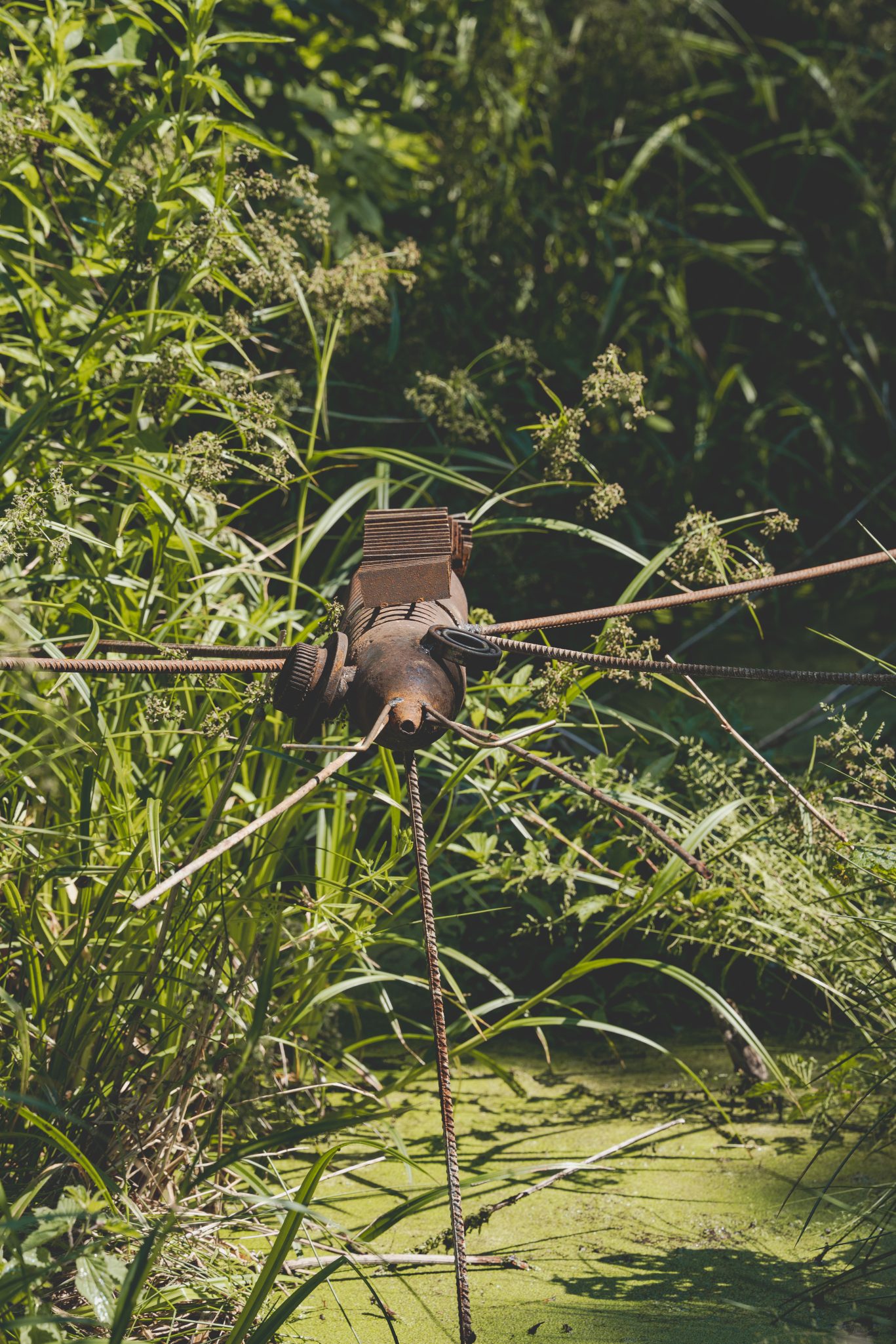
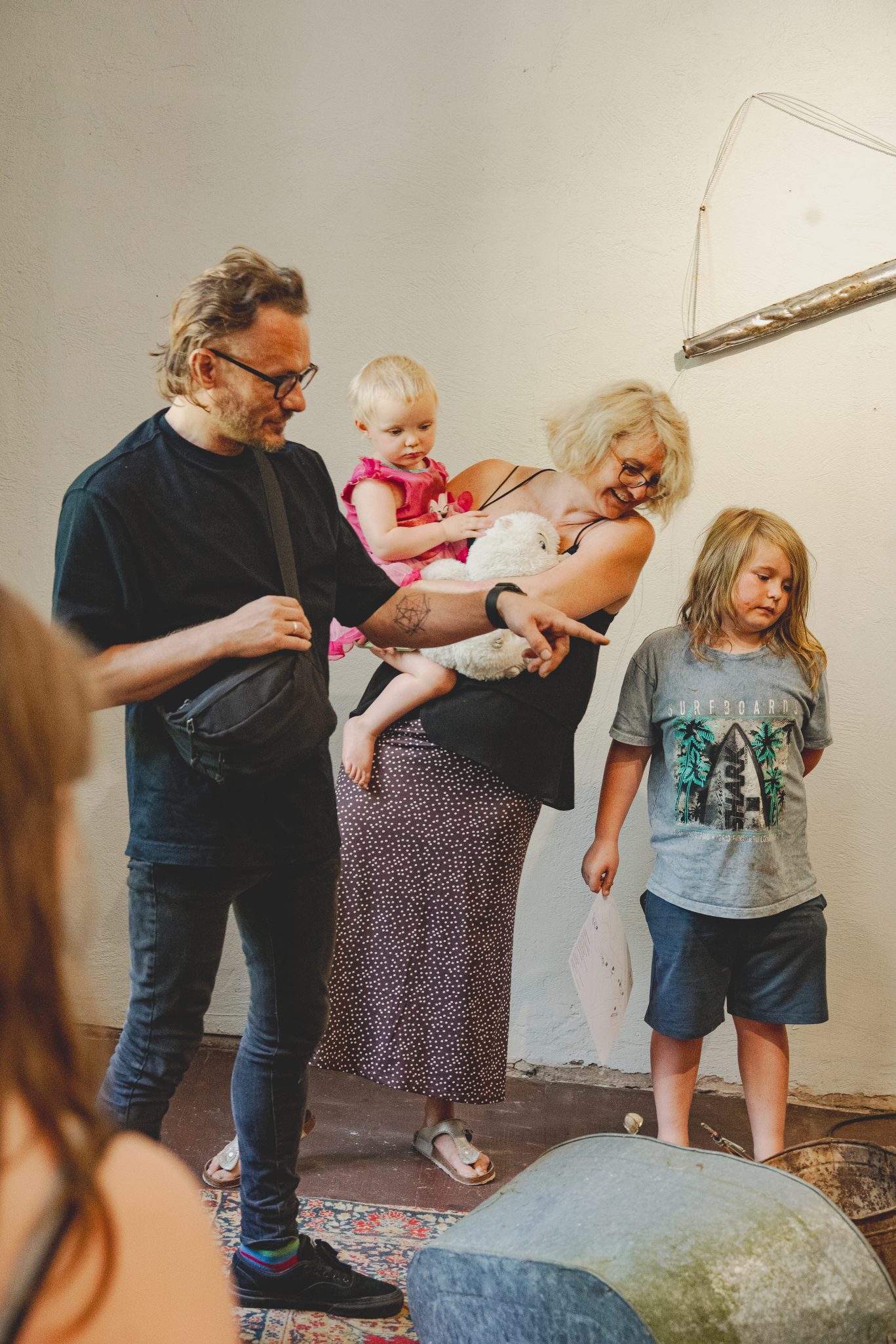
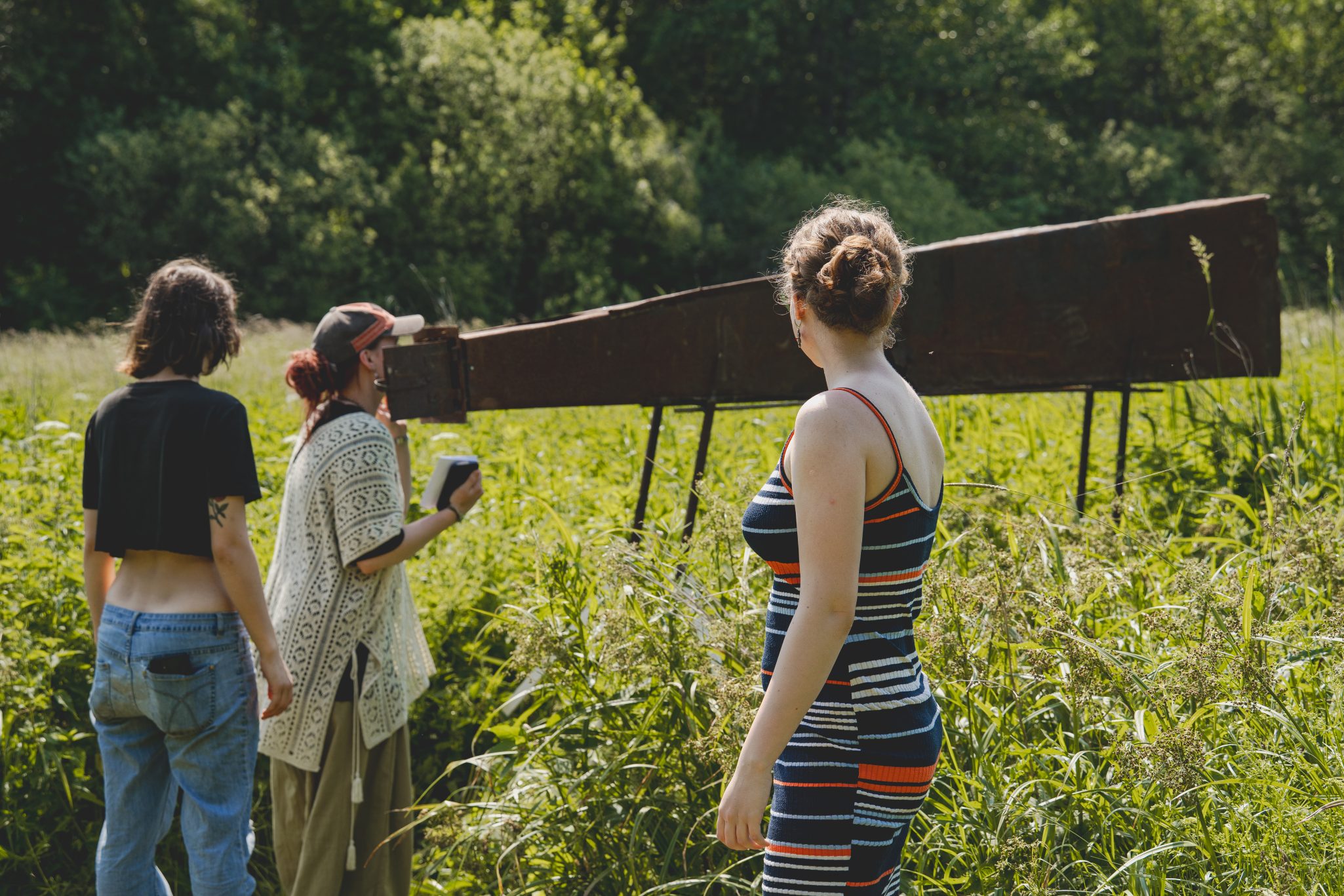
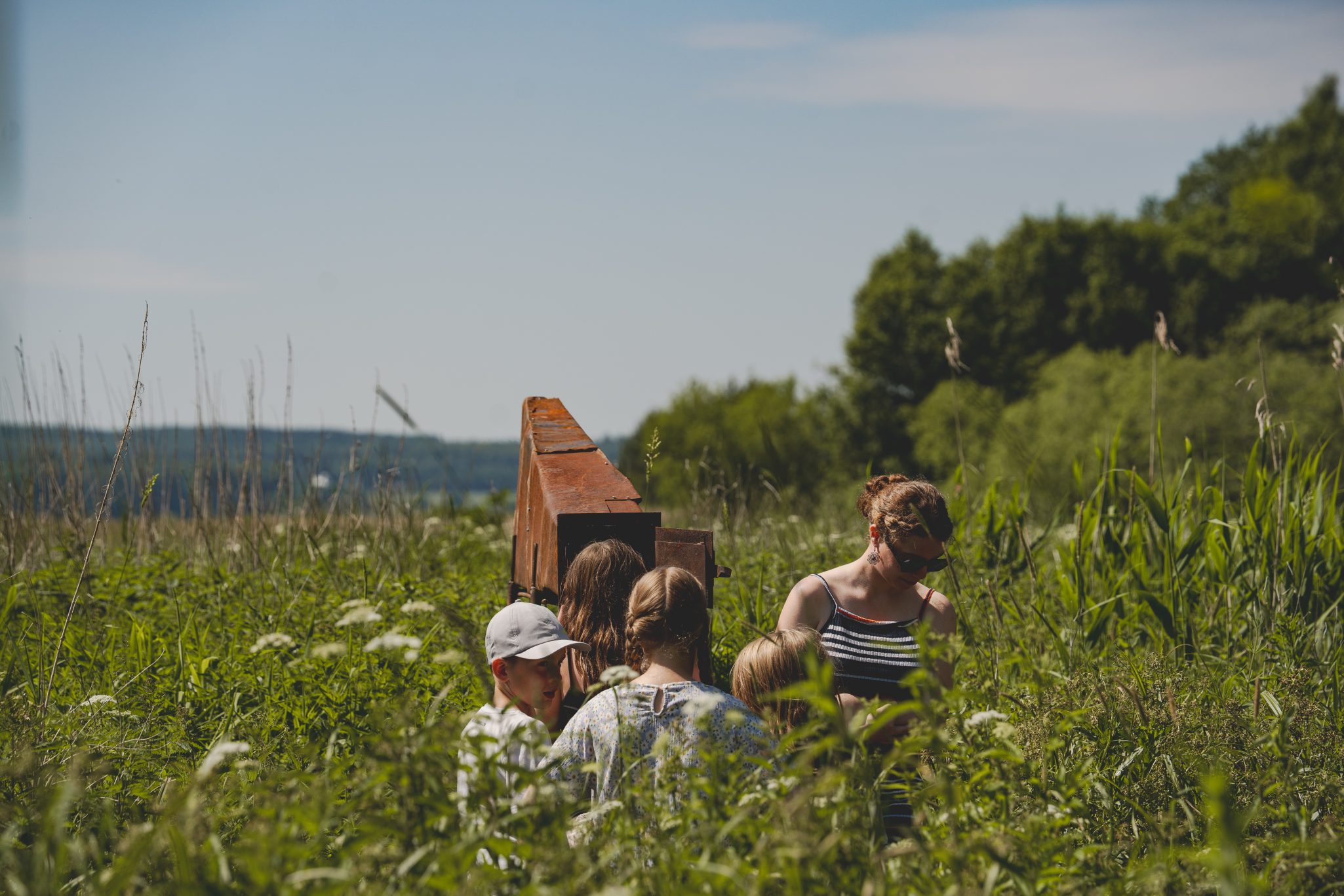
Some of the students’ works are installed throughout the park of Ķimale Manor. A small map has been created to help visitors discover them while exploring the manor park and its surroundings.
The Latvian Jewellery Art Association is represented in the exhibition by Ginta Grūbe and Rasma Pušpure, both lecturers and graduates of the Metal Design Department at the Art Academy of Latvia.
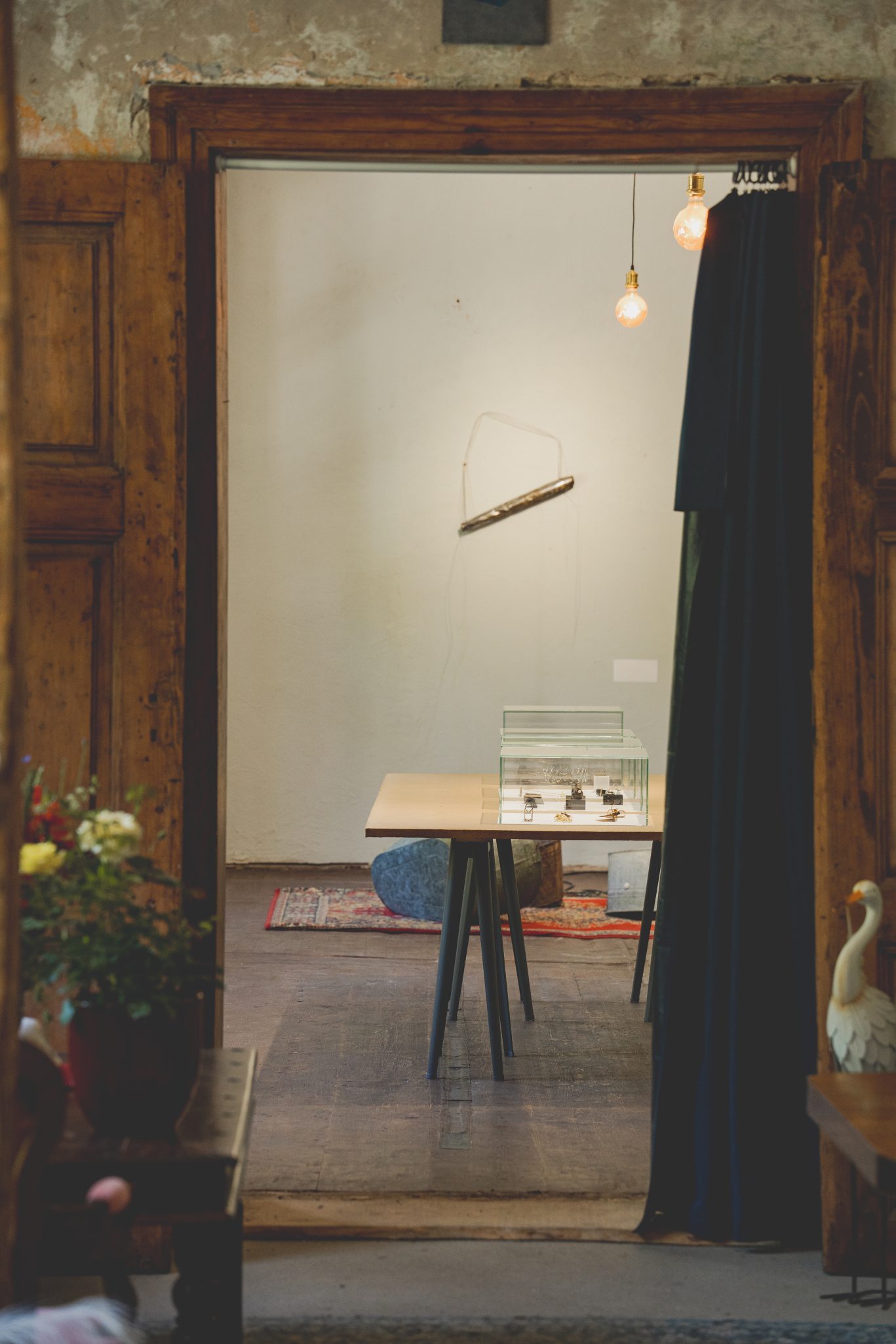
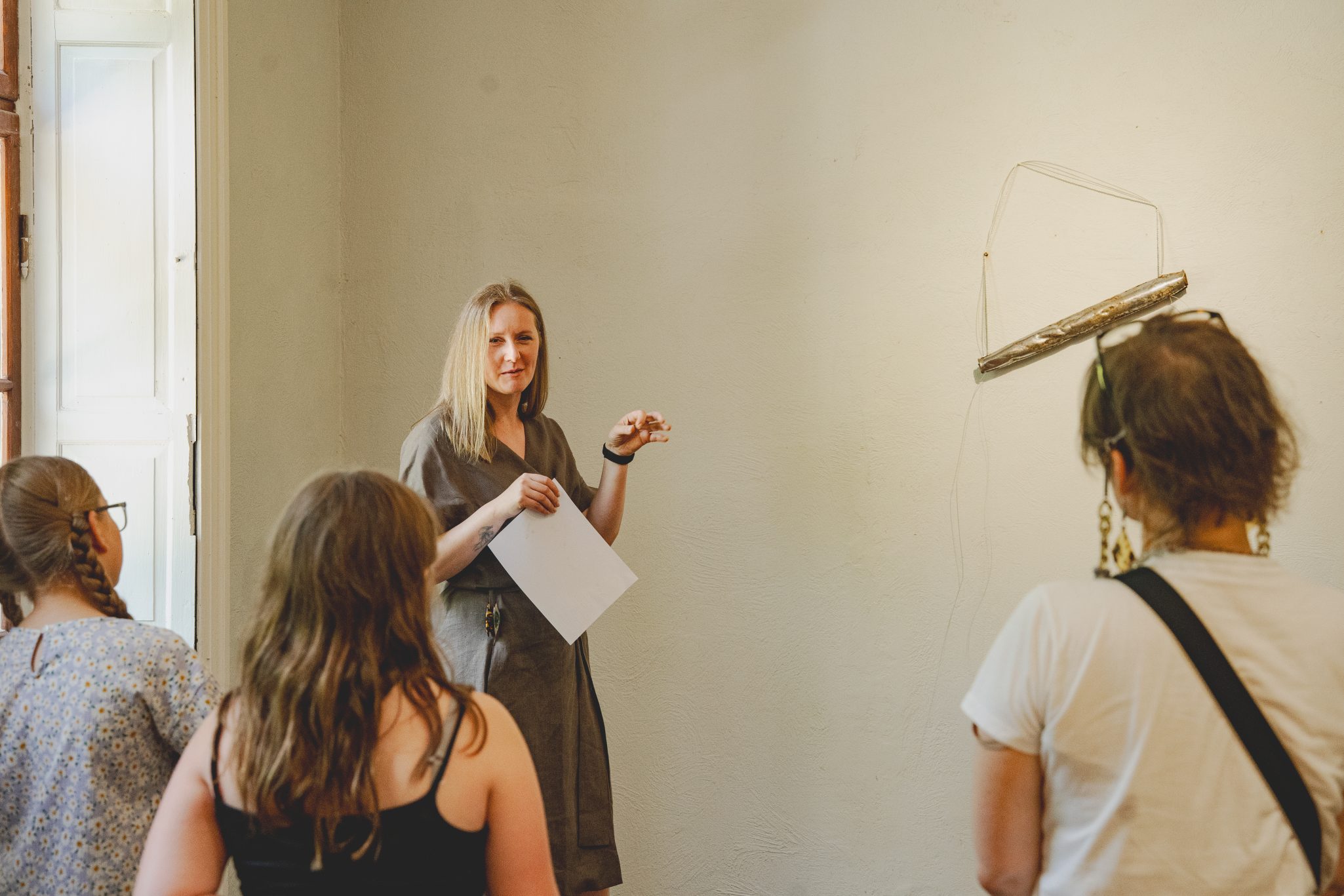
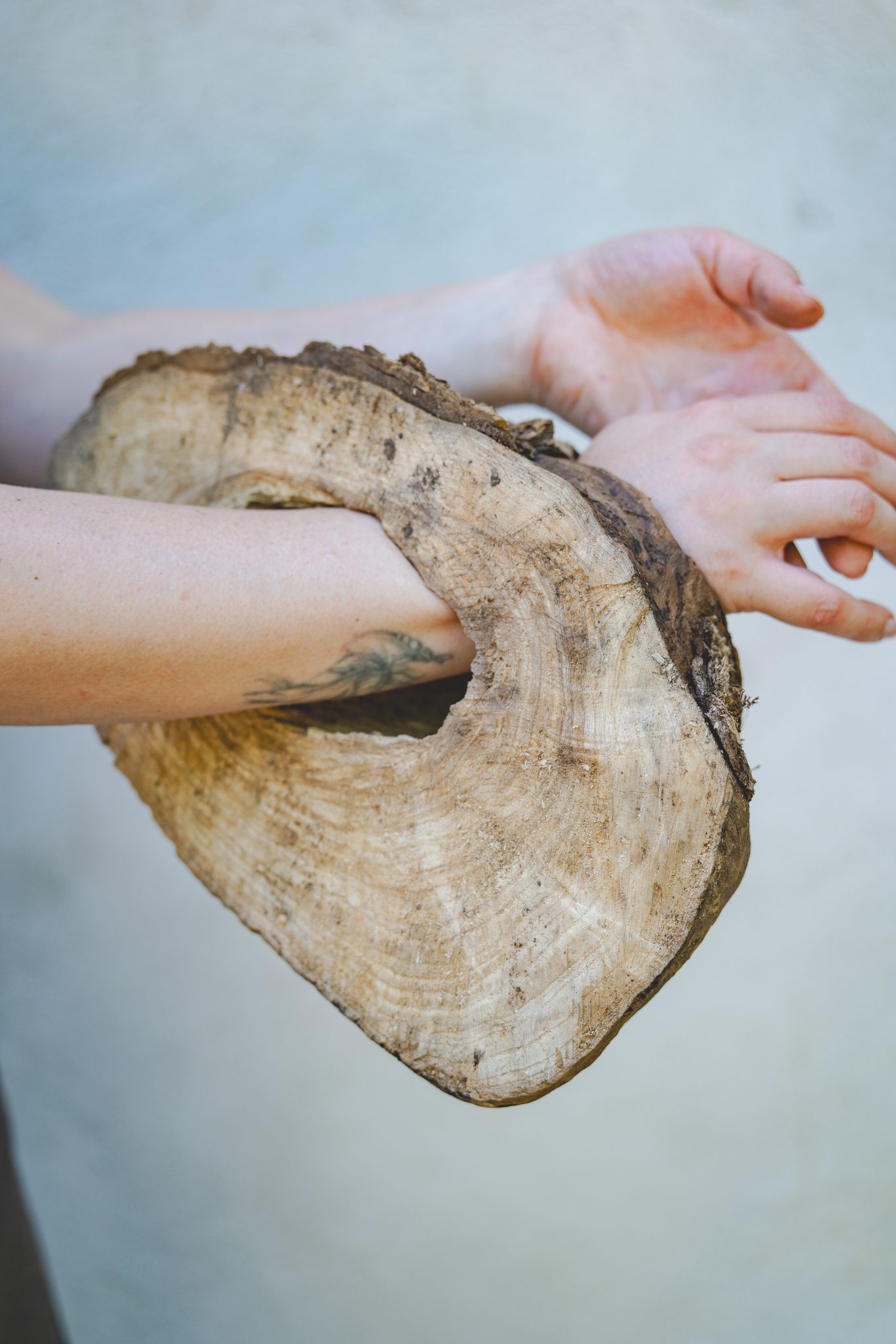
Rasma Pušpure created her work while living and working at Ķimale Manor during the plein-air workshop. The piece may be viewed in the context of the research of jewellery scholar and theorist Liesbeth den Besten. Den Besten describes a shift from “jewellery-ness” towards “objecthood”—a situation in which jewellery increasingly assumes the status of an autonomous work of art. Pušpure’s work fits naturally within this development in contemporary jewellery, where a reference to the body remains present, while wearability is no longer the work’s primary purpose. Installed against the wall in the centre of the room, the work is made from a car exhaust silencer and may, perhaps, be silencing the laments of the manor’s ghosts.
The exhibition also includes several works from Ginta Grūbe’s jewellery collection Obras, created in Portugal during a residency of the same name. In Portuguese, obras means “works” or “works of art”, while also carrying associations with the processes of making, building, and creation.
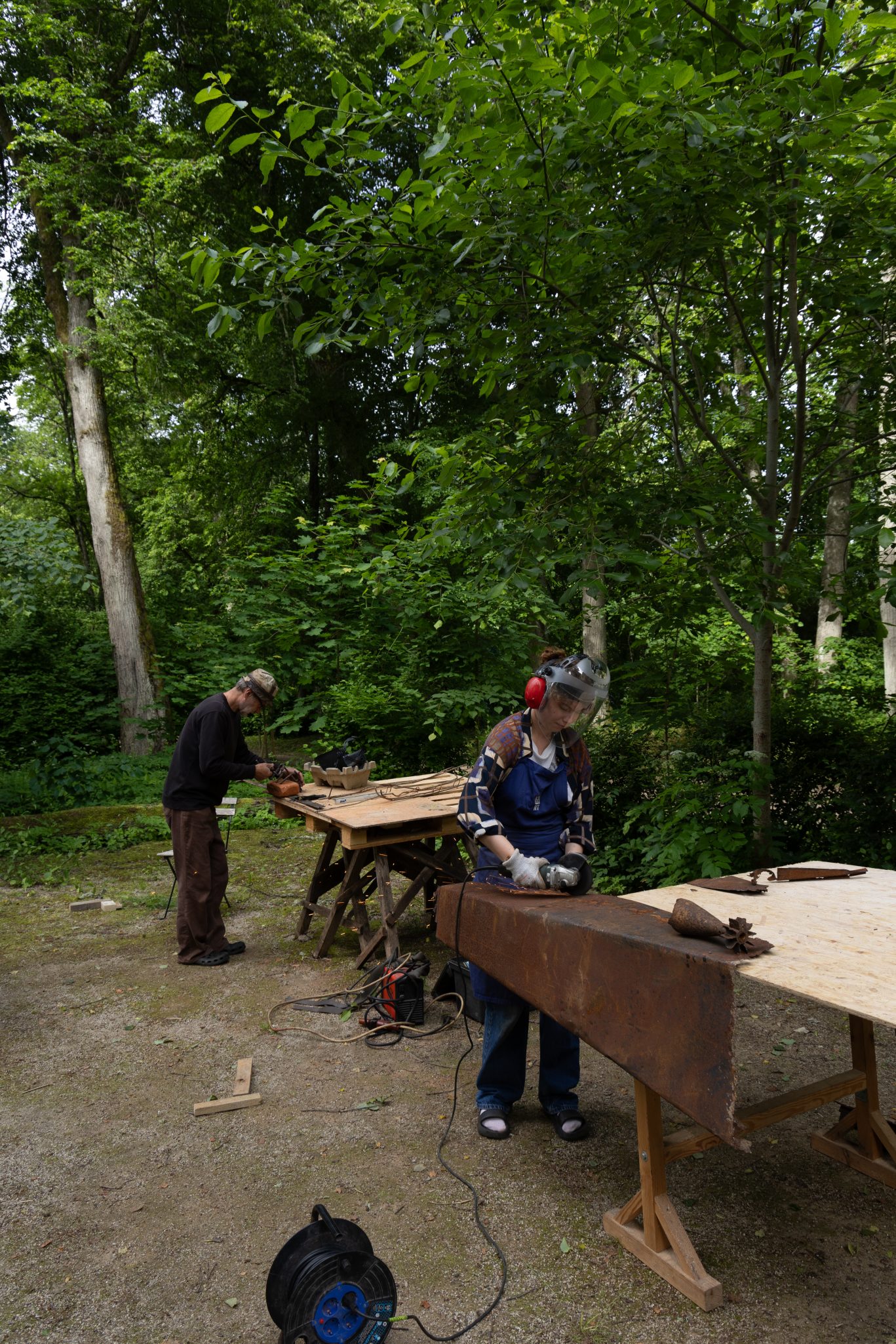
The exhibition’s creative team also included Art Academy of Latvia lecturers Arvīds Endziņš and Modris Svilāns, both graduates of the Metal Design Department. During the plein-air workshop, they supervised the students’ projects, focusing primarily on works created for the outdoor environment.
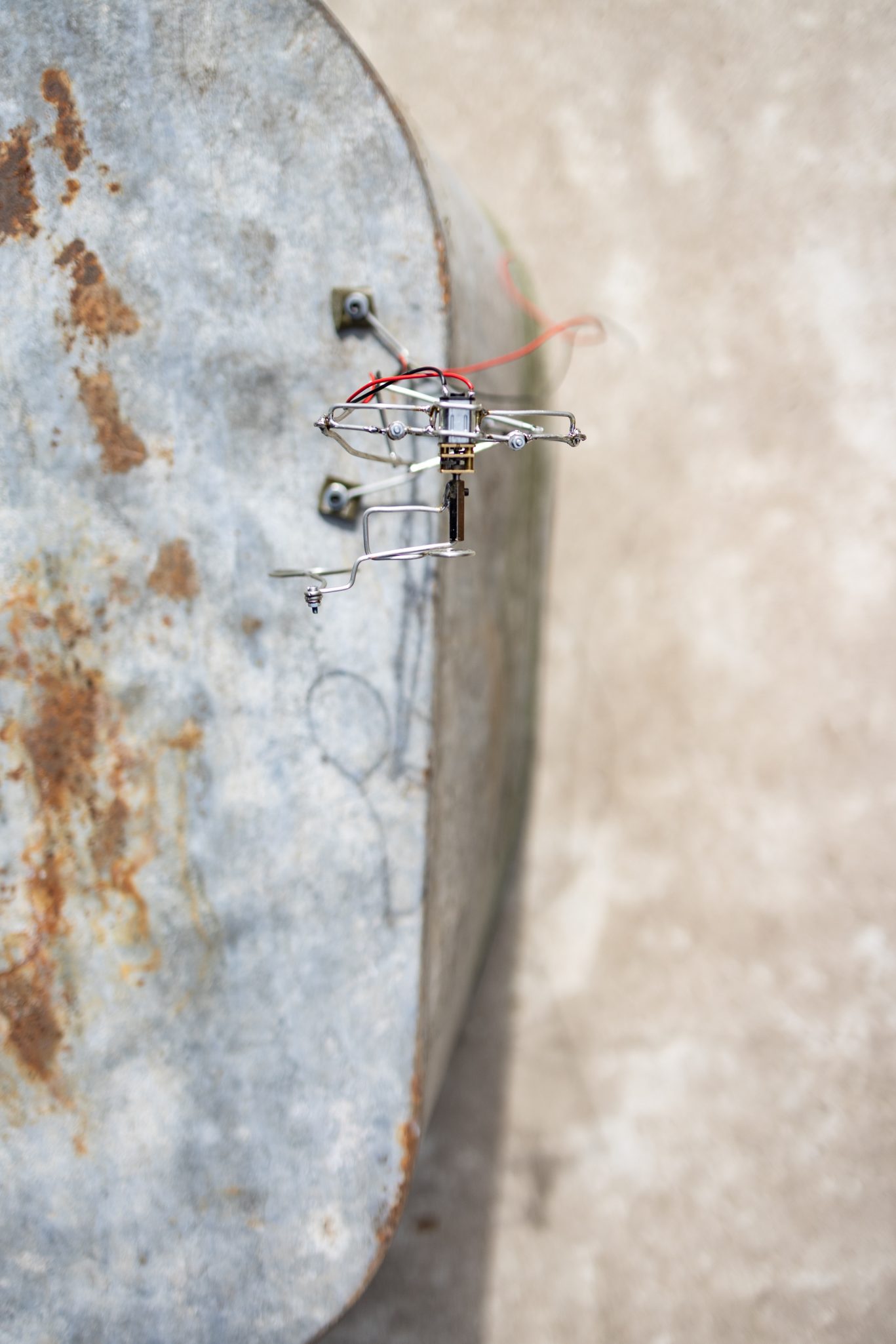
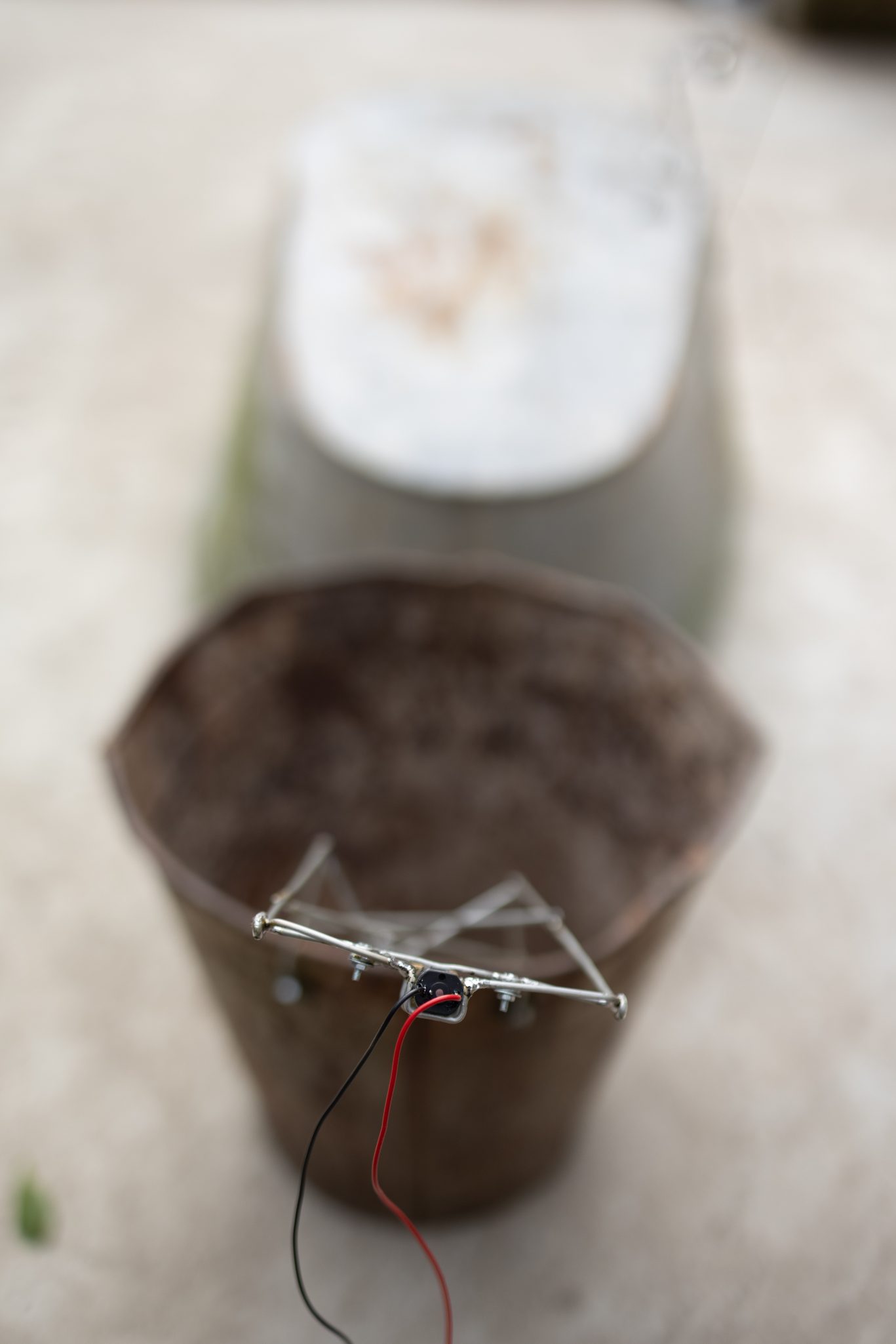
Modris Svilāns is known for his kinetic sculptures and sound installations. His work depicts three birds that come to life in the presence of a person. Sensing someone approaching, the birds attempt to move away while remaining in place.
Arvīds Endziņš created a male figure that supports the ceiling structure of the exhibition space. Symbolically, the work also reflects the position of the artist himself: he is the most experienced participant in the exhibition and has been a teacher to all the other artists represented.
The exhibition brings together widely differing interpretations of the enfilade theme. Elīza Dzērve’s video work explores incompleteness as a condition. By documenting unfinished infrastructure and architectural projects, the artist marks them with a small metal bow, transforming something seemingly unnoticed into an event worthy of attention.
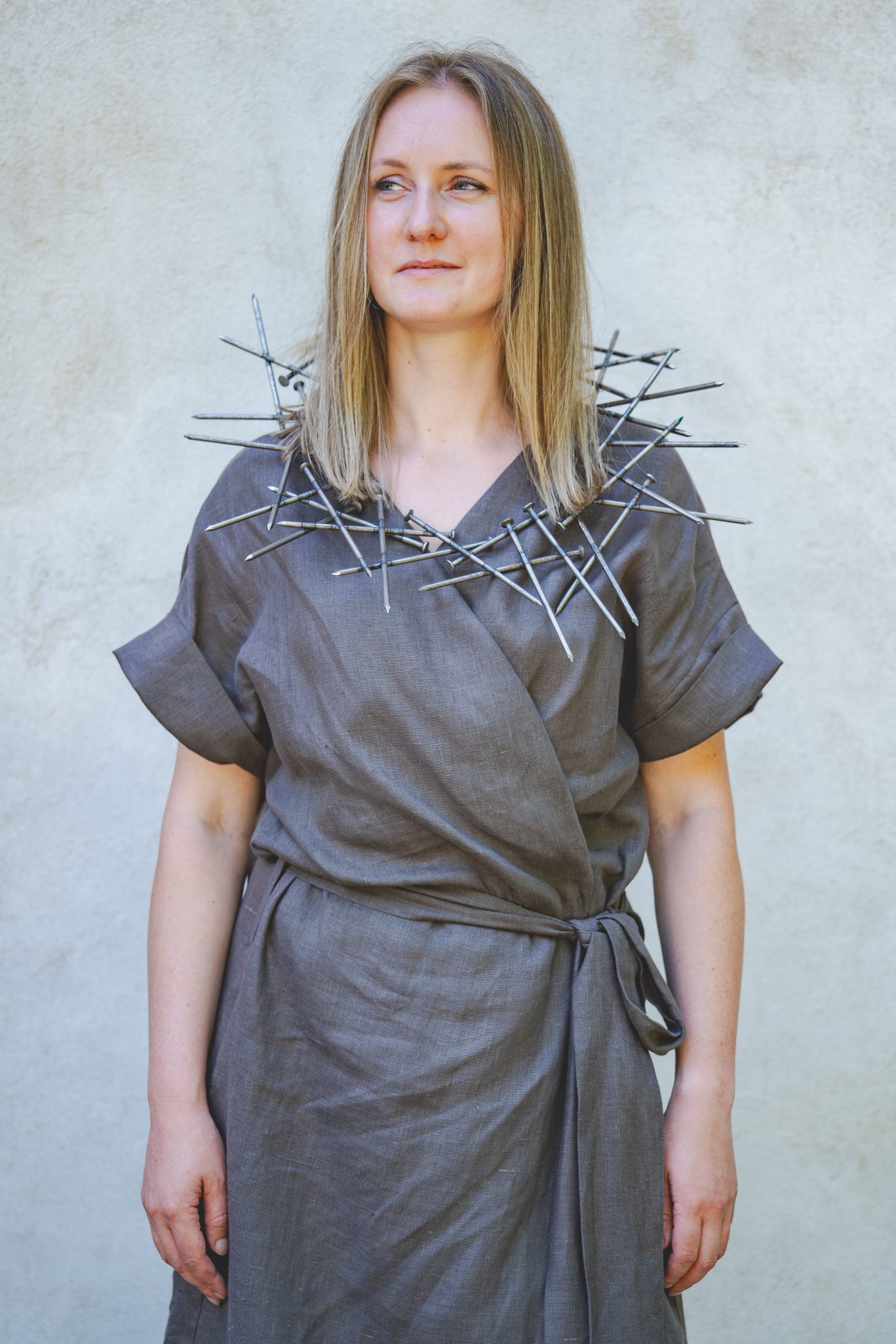
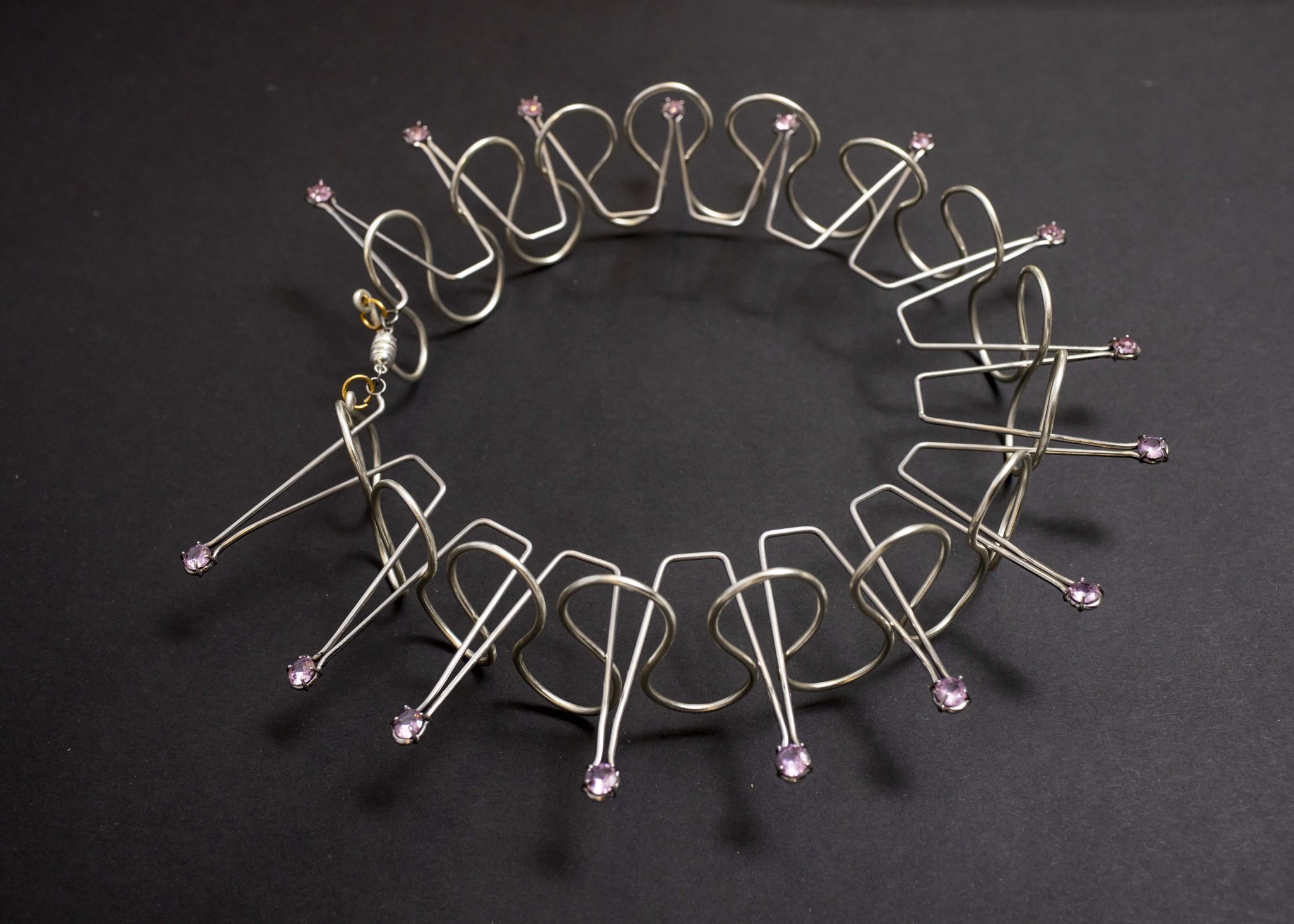
Elisa Grižbovska’s necklace, inspired by the figure of a hare and based on the rhythmic repetition of a collar-like form, demonstrates how architectural logic can be translated to the scale of the body, creating a spatial structure around the wearer. The work by second-year Metal Design student Elisa Grižbovska was created under the supervision of lecturer Andris Silapēteris and draws inspiration from the hare and its characteristic qualities.
Through the repetition and rhythmic arrangement of the collar motif, the artist has created a necklace that forms a spatial structure around the body. The work relates to a tradition within contemporary jewellery in which jewellery is understood as wearable sculpture. In this context, parallels may be drawn with the work of Dutch avant-garde jewellery artist Paul Derrez, whose practice transforms historical forms of dress—particularly collars—into minimalist and architectural constructions. Similarly, in Grižbovska’s work, repetition becomes a principle for creating space.
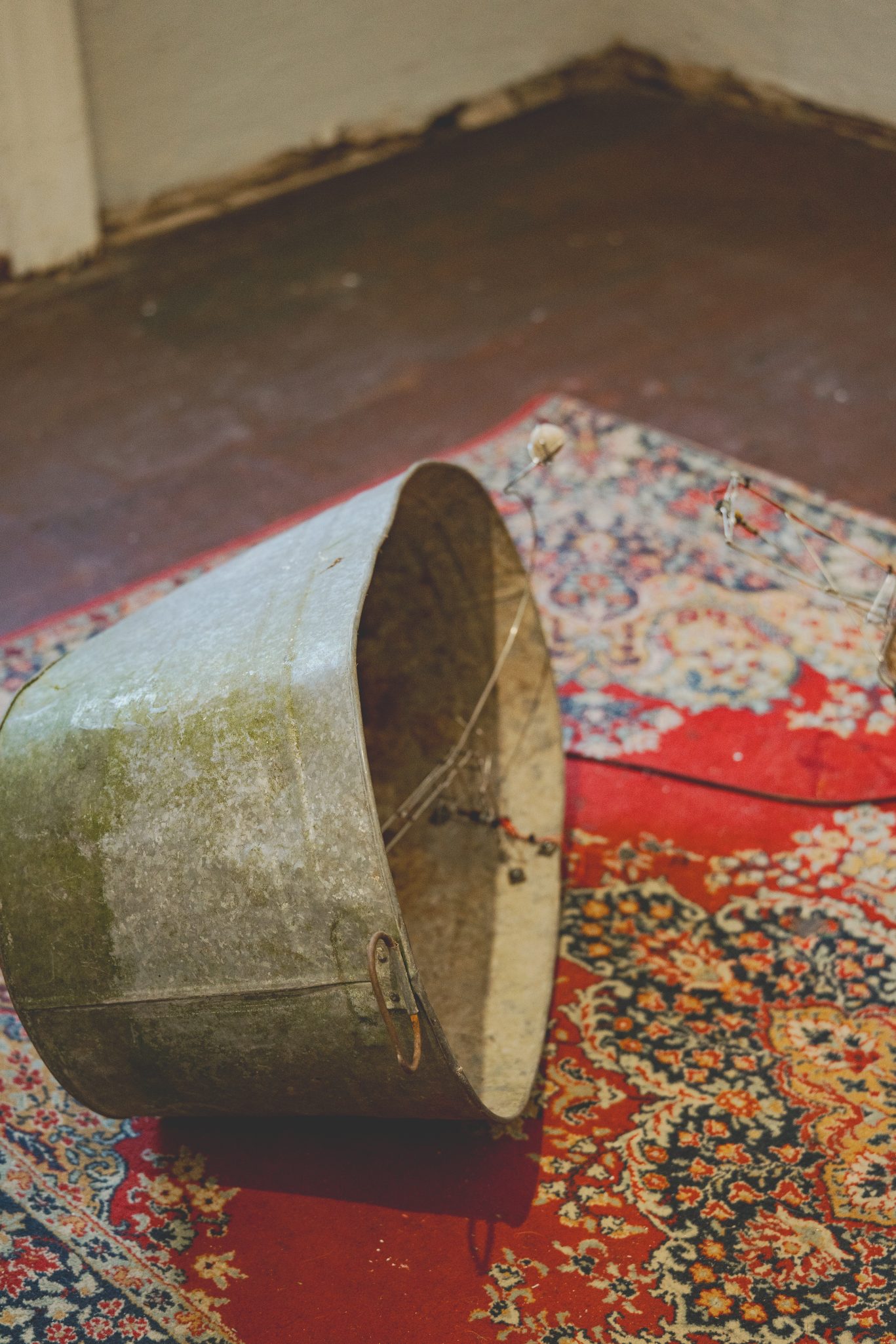
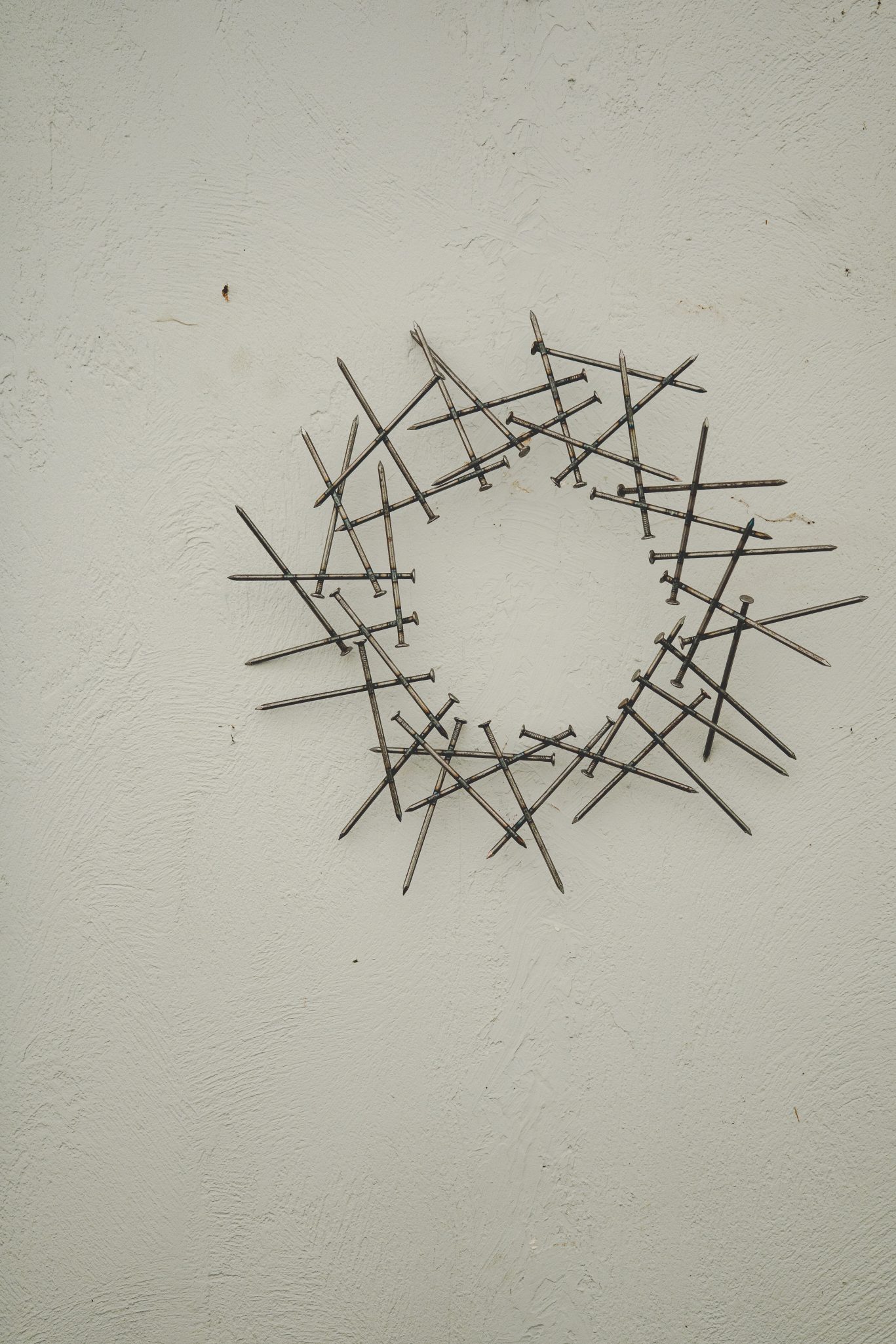
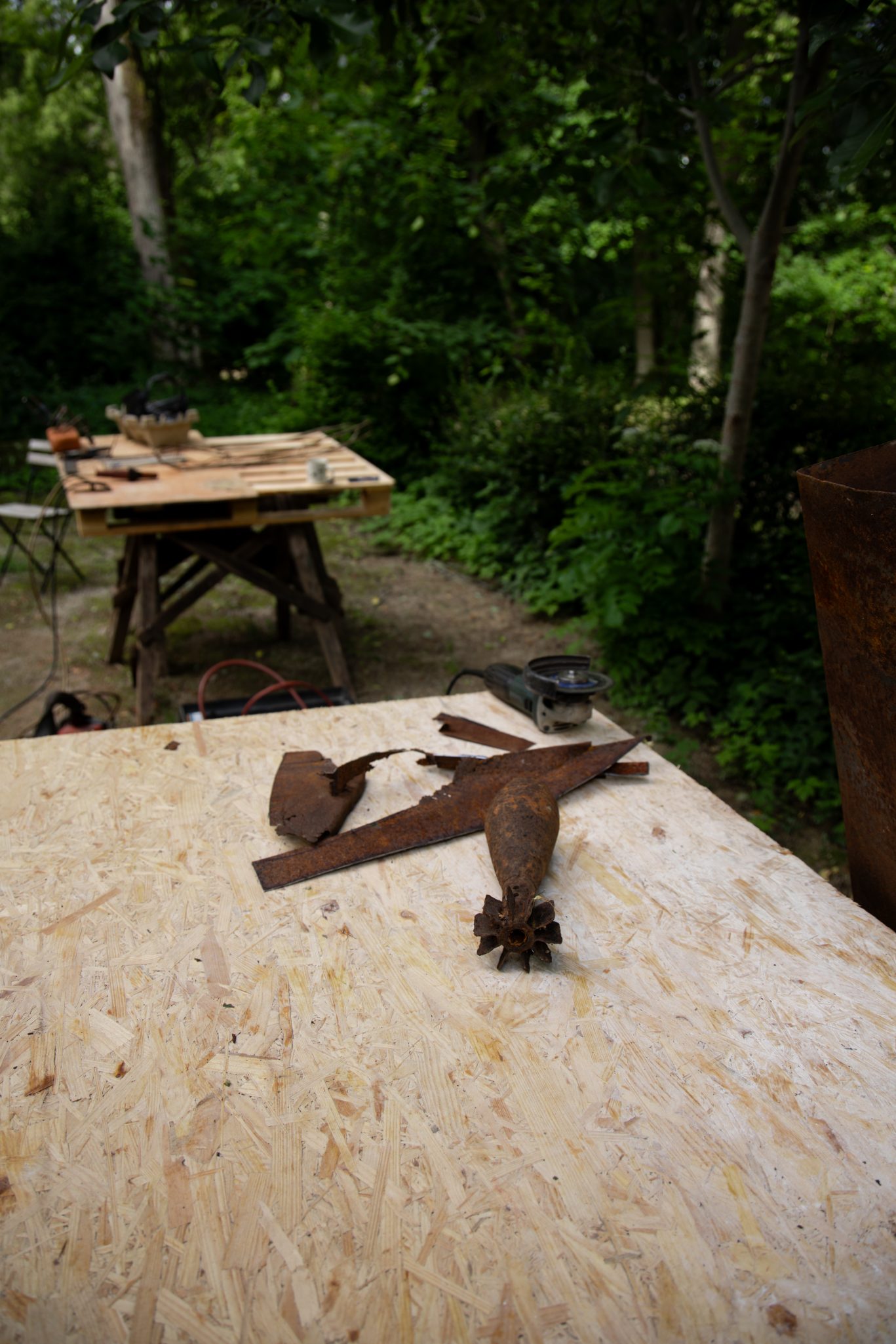
A significant part of the exhibition was produced during the plein-air workshop at Ķimale Manor. The artists worked with ready-made industrial objects and metal elements supplied by the company Tolmets Kurzeme. Objects that had seemingly lost their original function were transformed into new artistic structures, connecting their industrial past with imagination, experimentation, and craftsmanship.
Participating artists: Arvīds Endziņš, Ginta Grūbe, Rasma Pušpure, and Modris Svilāns.
Participating students: Velta Vilhelmīne Balcere, Elīza Dzērve, Matilde Marija Feldmane, Nikola Freimane, Elisa Grižbovska, Krista Heinrihsone, Stella Kalpeniece, Elizabete Lipska, Vincents Palucka, Anna Reiktere, Marija Šandurova, and Katrīna Ungura.
The exhibition team would like to thank the metal recycling company Tolmets Kurzeme for its support and for providing materials used in the creation of the plein-air works, as well as graphic designer Guna Poga for developing the exhibition’s visual identity.
Special thanks go to Ķimale Manor and its owners, Inese Andersone and Kim Peterson, for their hospitality, responsiveness, and for providing the opportunity to realise the exhibition in this unique cultural and historical setting.
The exhibition was also developed with the assistance of first-year master’s students from the Art Academy of Latvia – Ance Pudāne, Jekaterina Kovalenko, and Marta Romanovska – who contributed to the design and installation of the exhibition.
We invite you to visit Enfilade and discover works by students and lecturers of the Metal Design Department at the Art Academy of Latvia, presented both indoors and throughout the surrounding landscape.
Venue: Ķimale Manor, Padure Parish, Kuldīga Municipality
On view until: 30 September 2026. Please contact the owners of the manor for current opening hours.
Text: Ginta Grūbe