
How do we define design today?
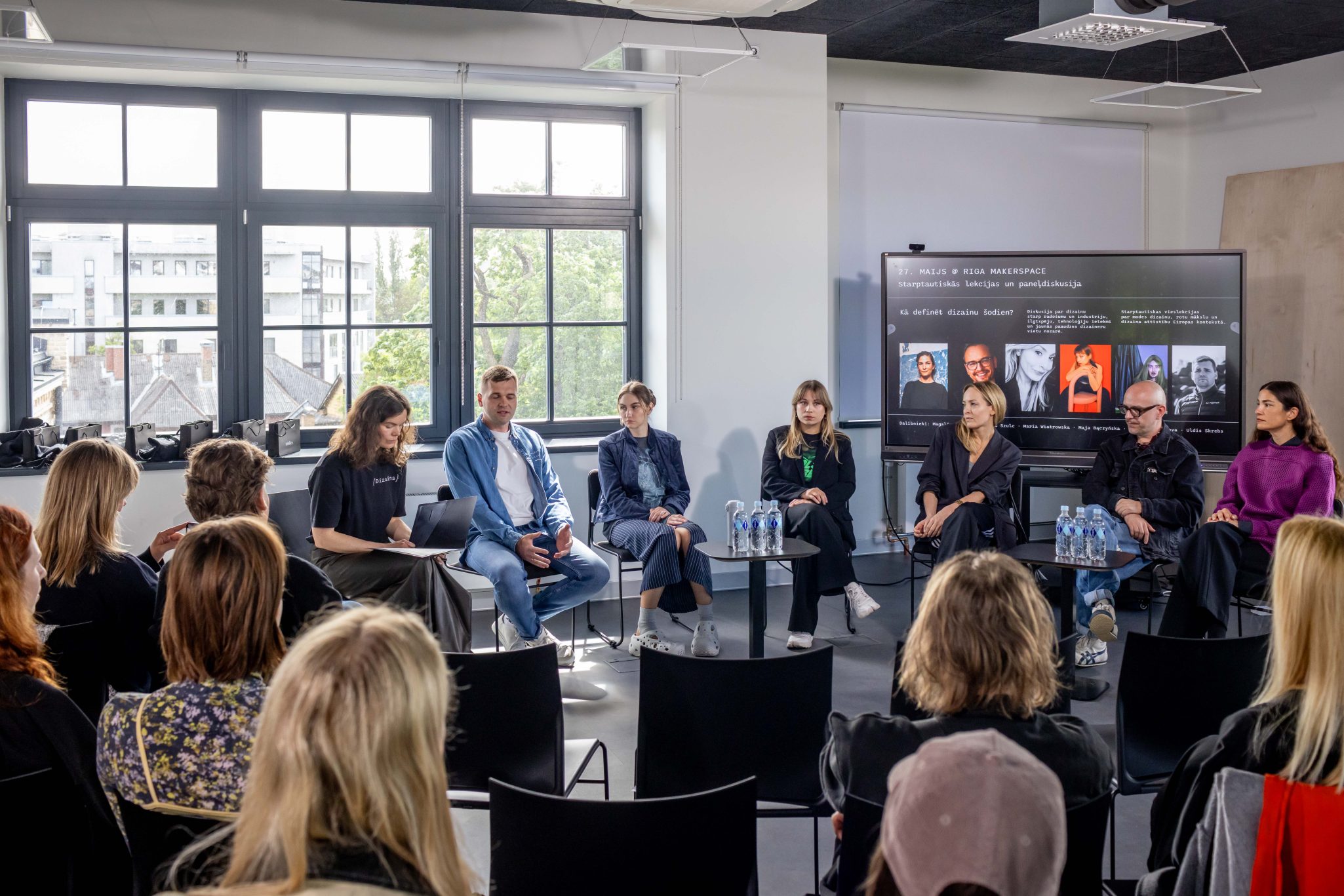
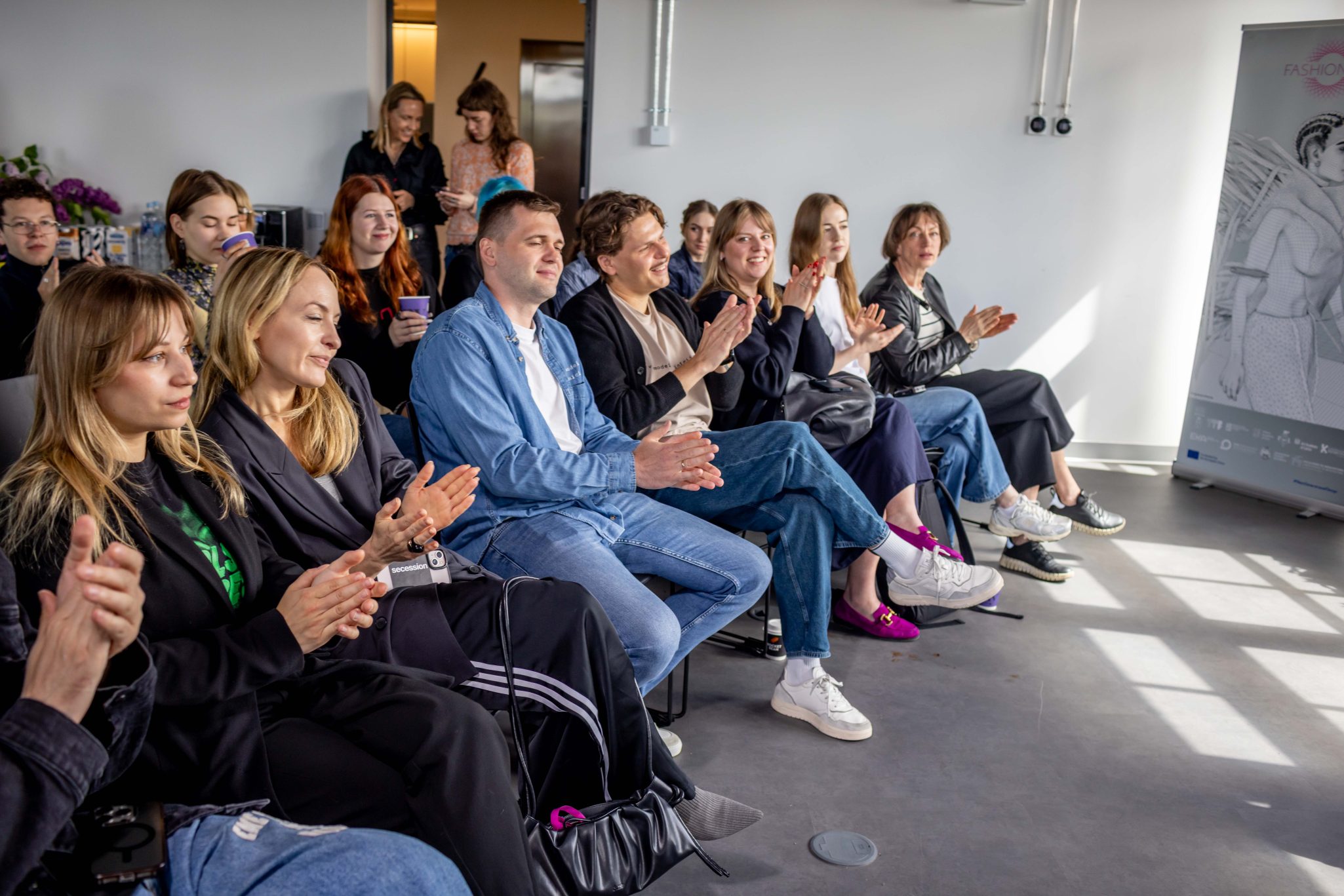
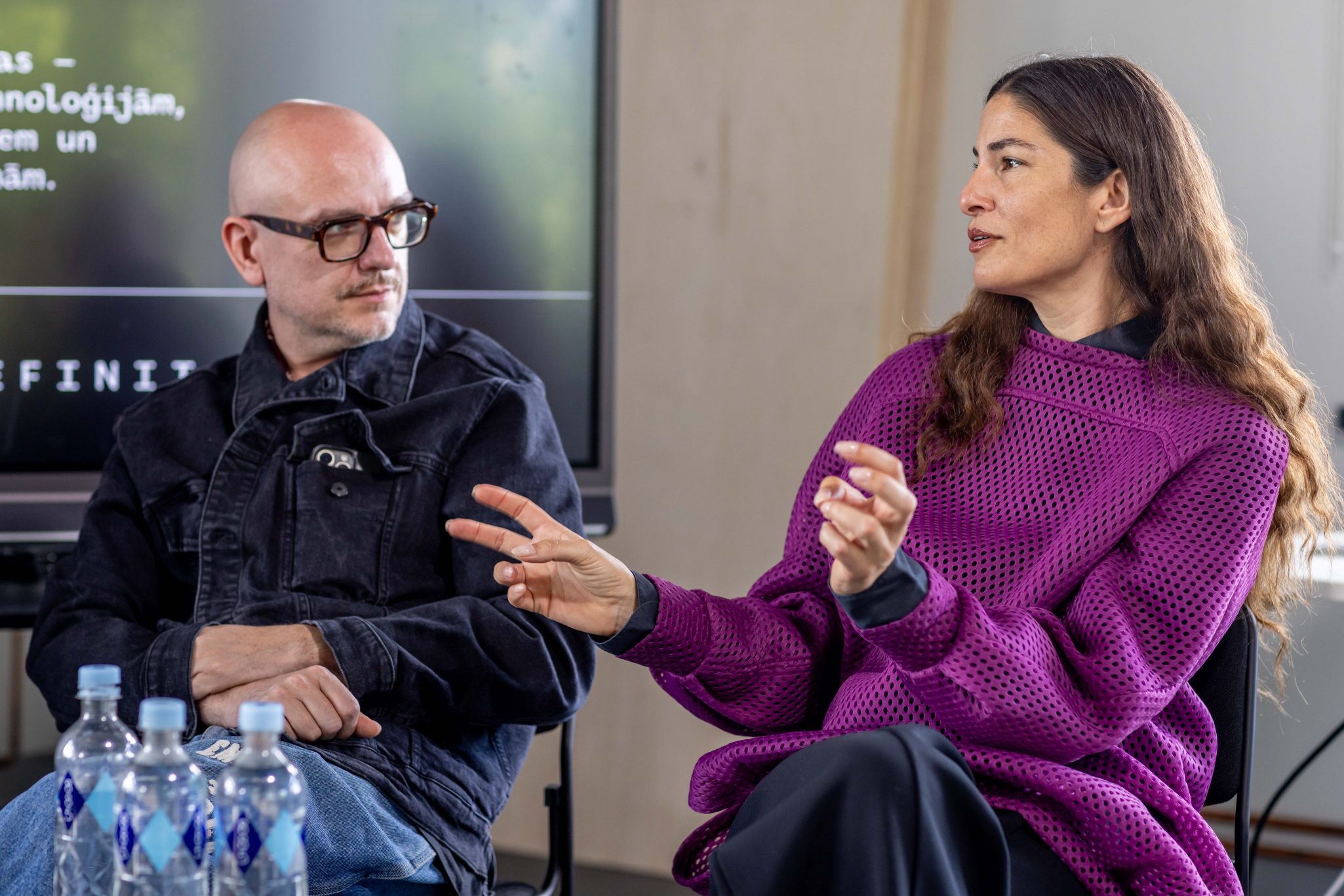
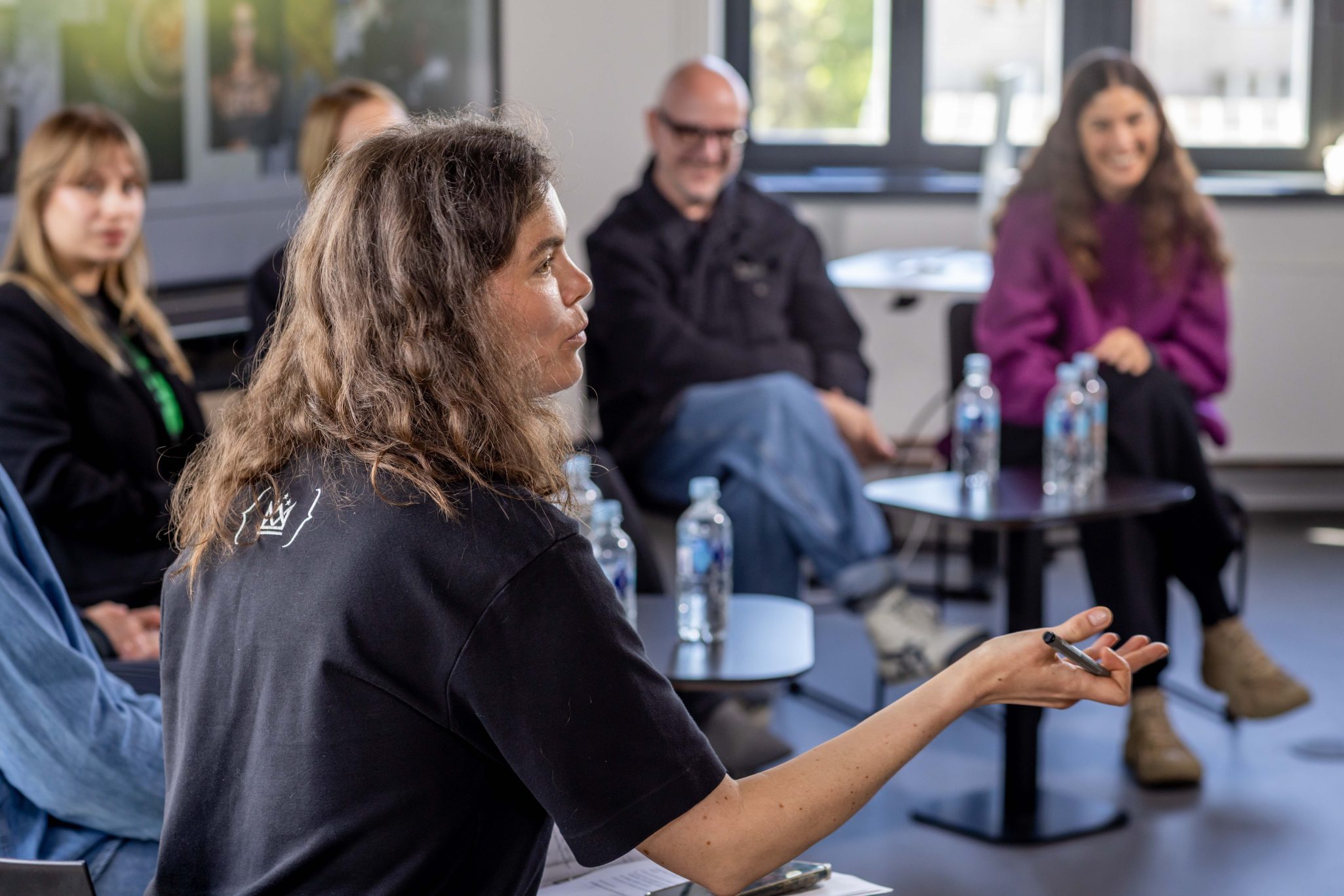
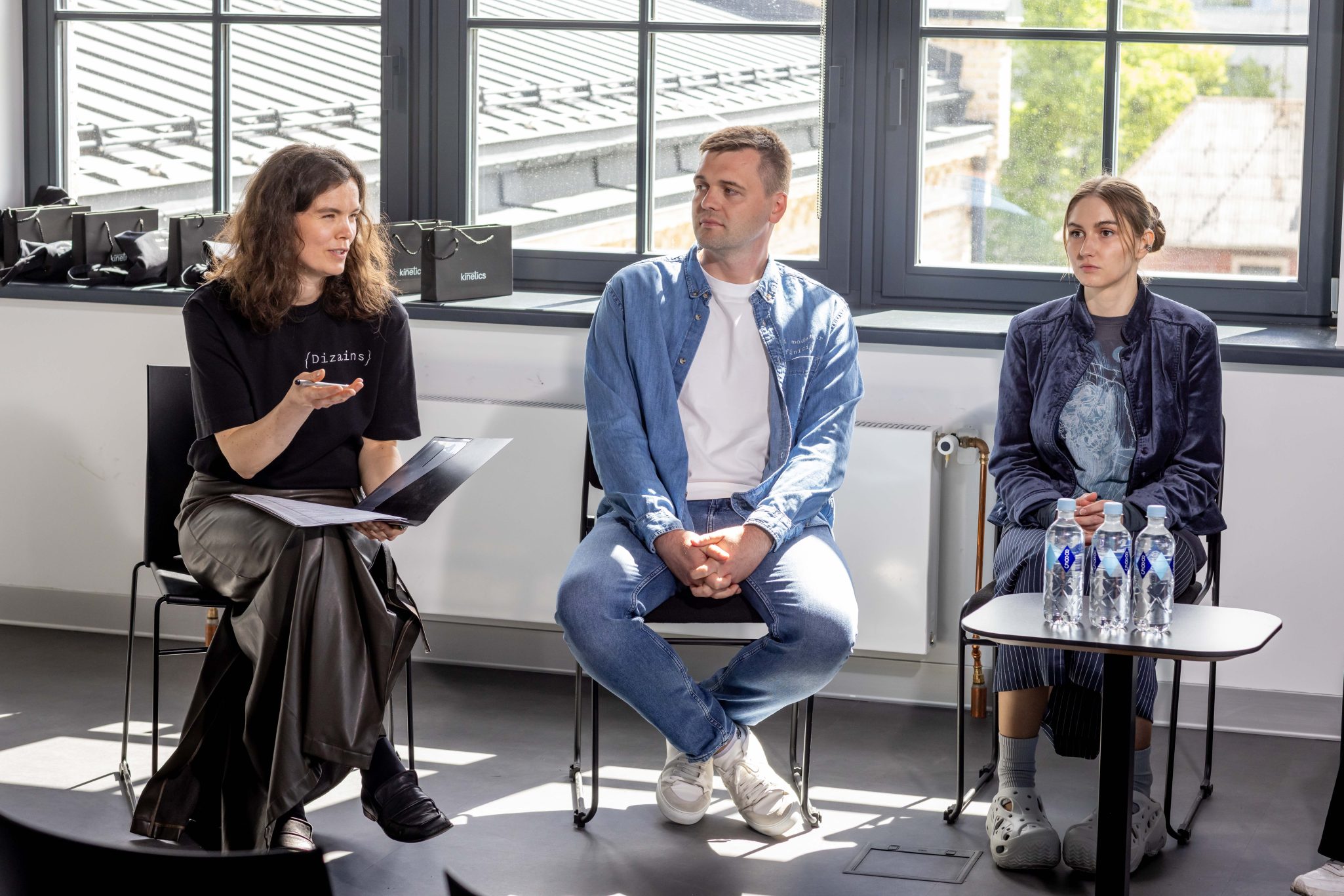
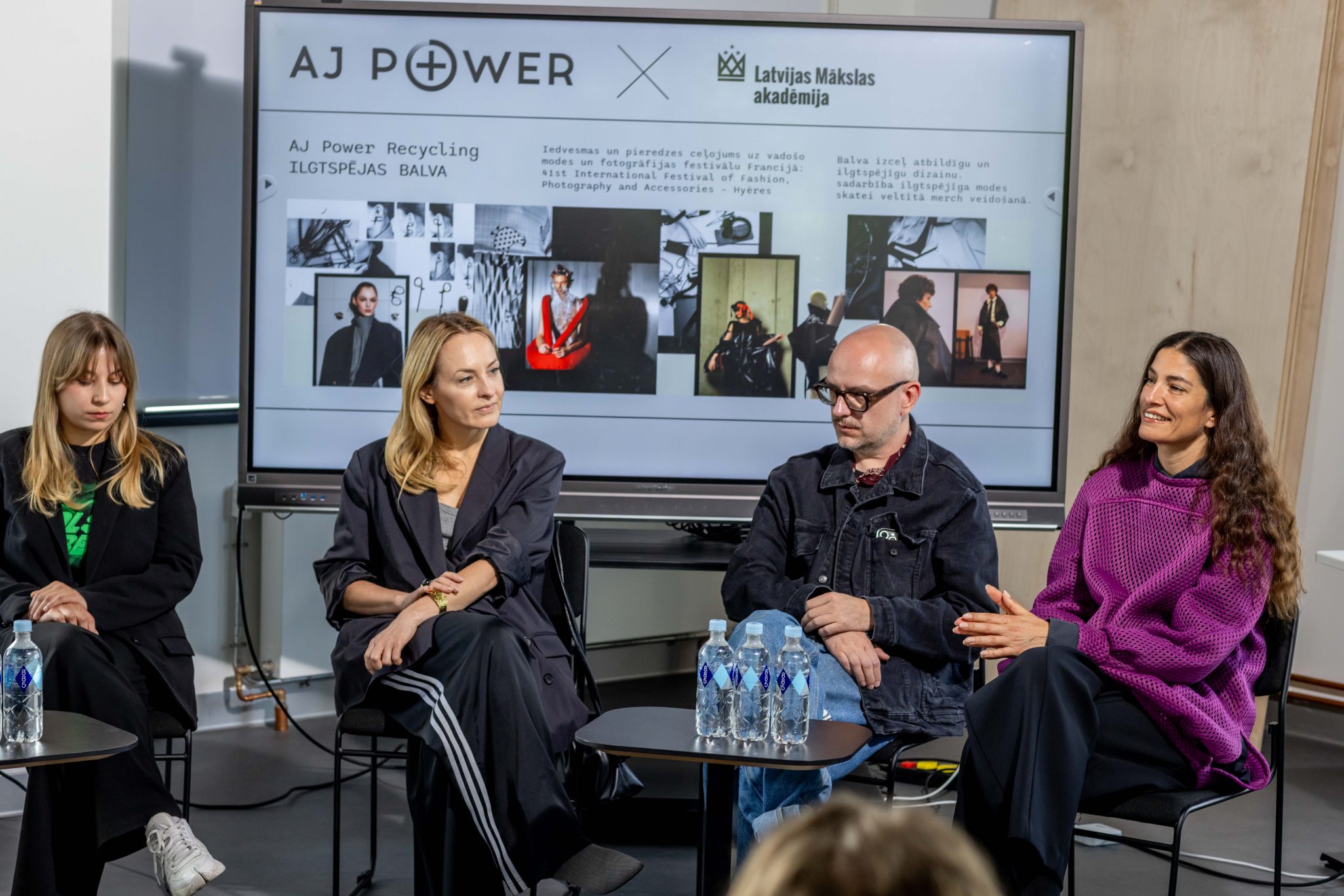
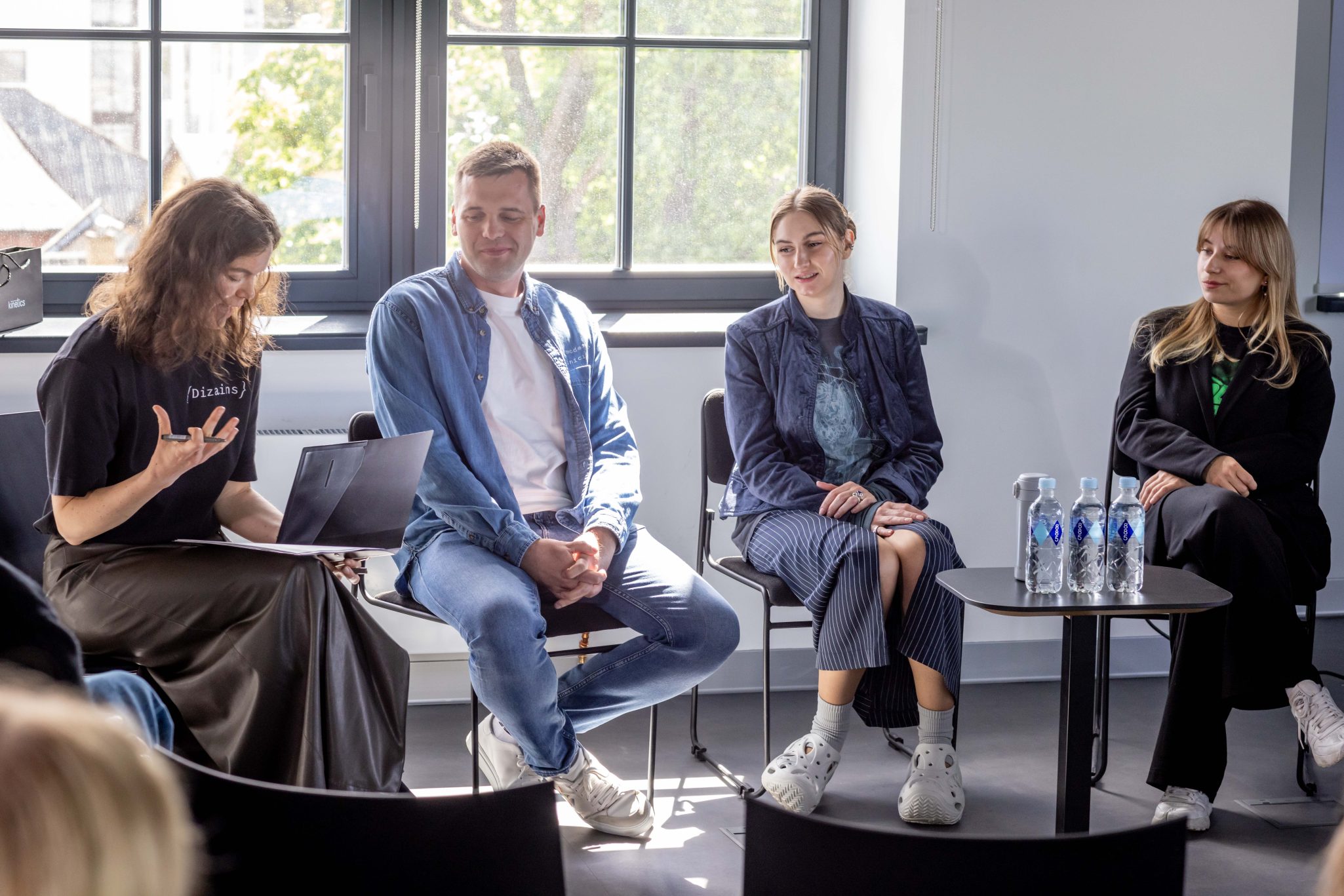
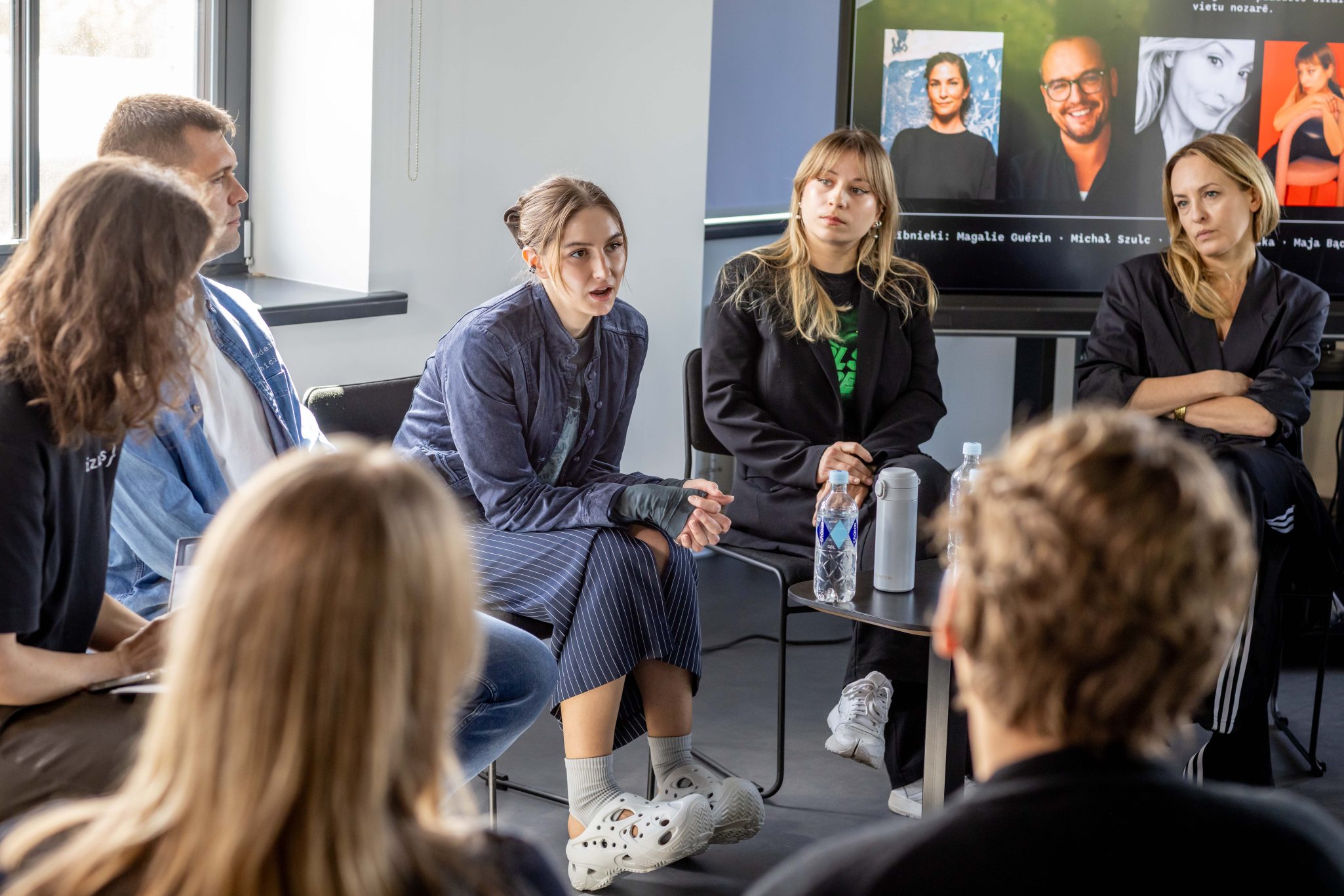
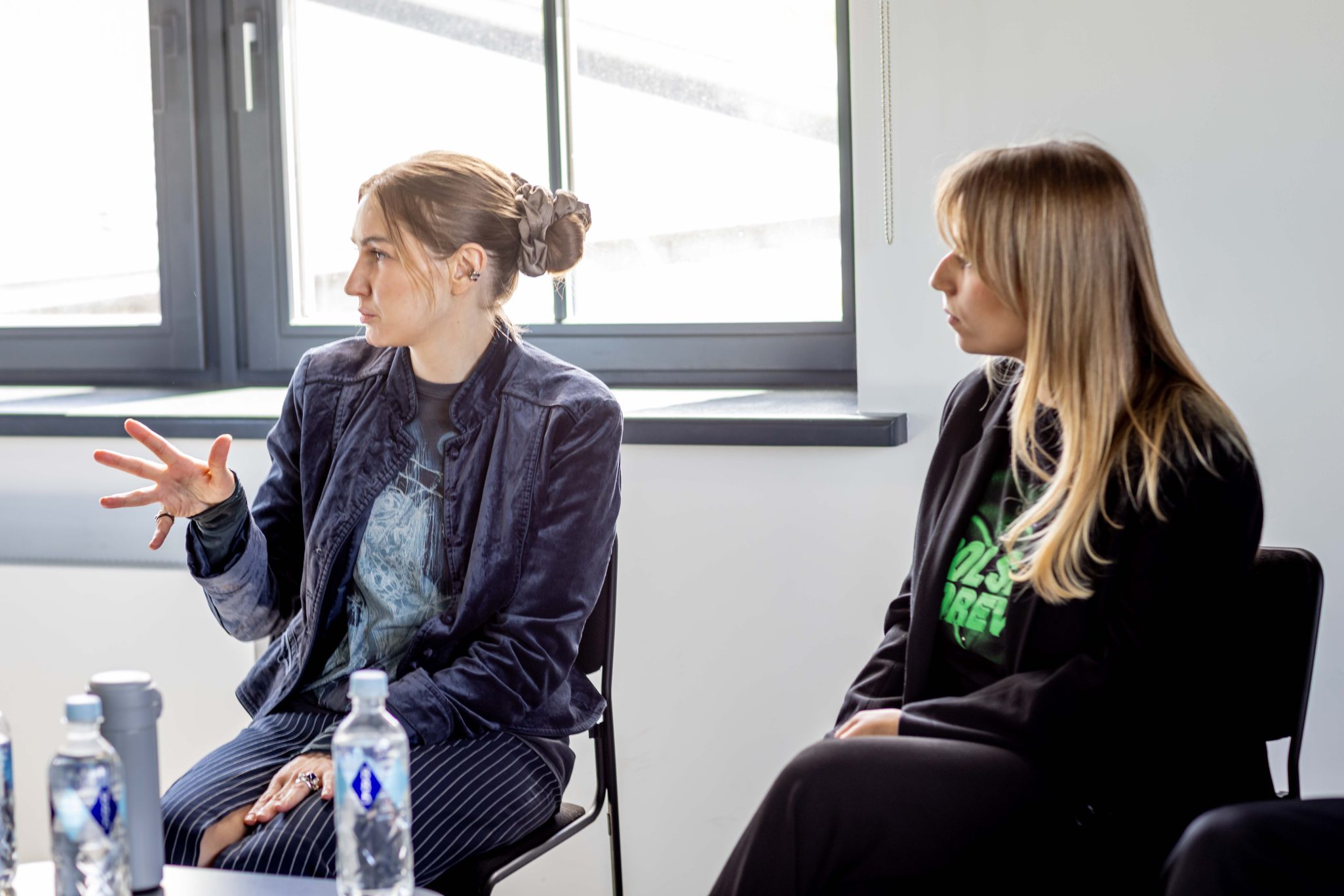
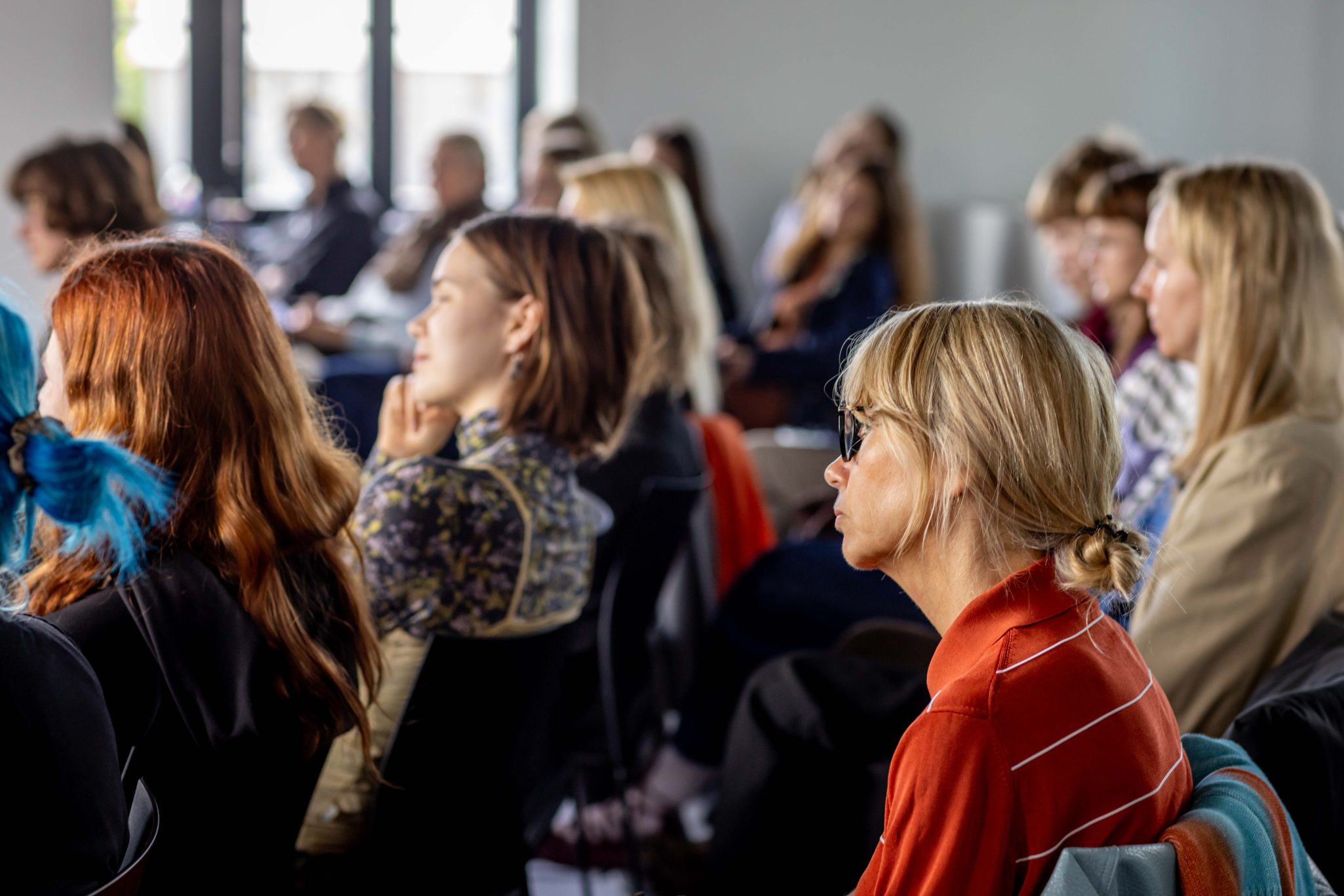
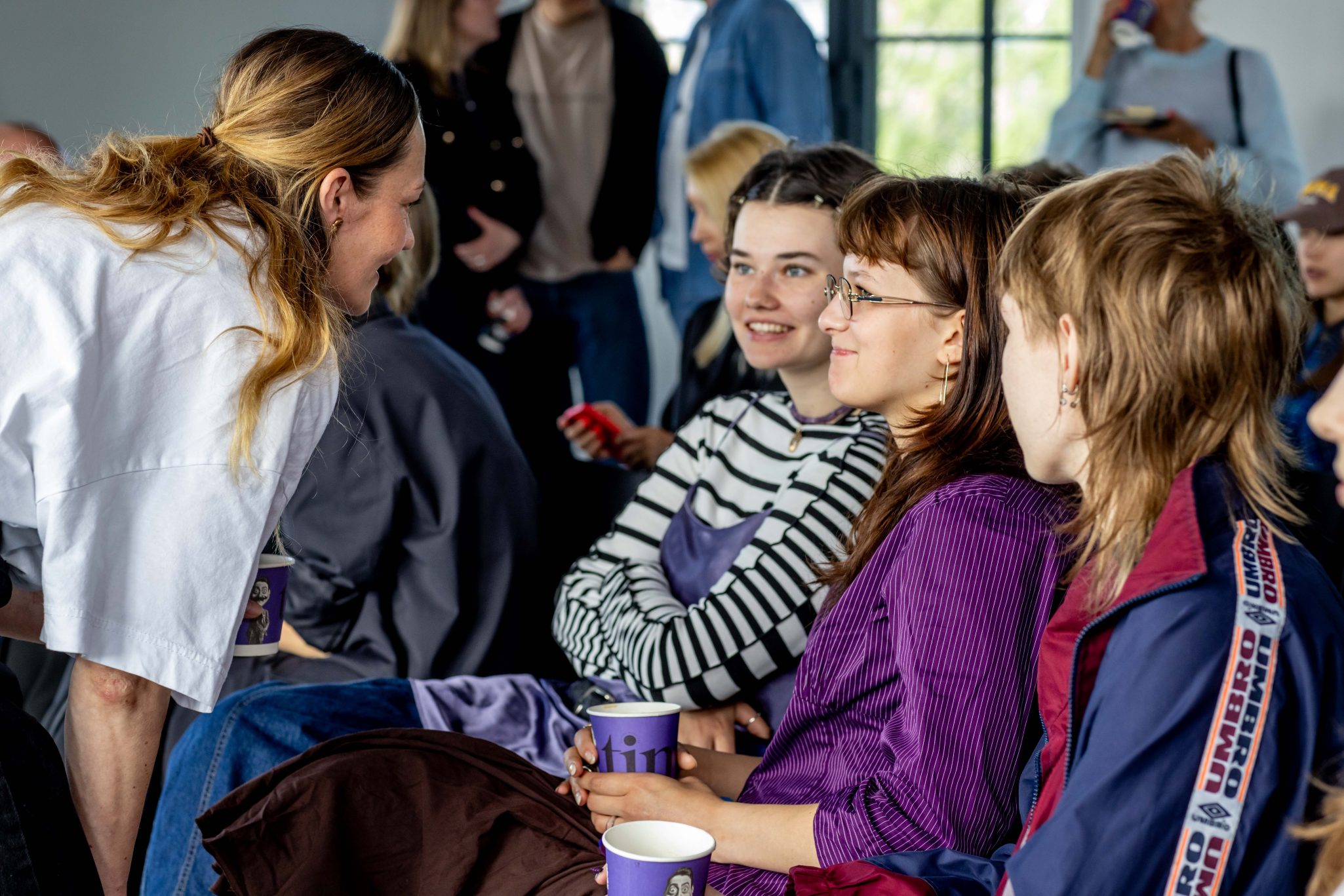
Estonian contemporary jewellery artist and researcher Darja Popolitova visited Riga from May 26 to 30, participating in the guest lecturer programme of the Art Academy of Latvia Design Days. Together with fashion designers from the Academy of Fine Arts in Łódź — Michał Szulc, Maria Wiatrowska and Maja Bączyńska — as well as French curator Magalie Guérin and AJ Power Recycling board member Uldis Skrebs, she took part in the panel discussion “How to Define Design Today?”. The discussion was moderated by jewellery artist and lecturer Ginta Grūbe. Participants addressed a range of pressing topics related to fast fashion, sustainability, and the choices facing emerging designers in today’s increasingly technological environment.
Alongside her participation in the Art Academy of Latvia’s guest lecturer programme, Darja Popolitova also took part in the international contemporary art festival Riga Art Week (RAW), where she led the performative workshop 3D Jewellery Fortune Telling. The workshop brought together digital jewellery modelling and the aesthetics of magical rituals, inviting participants to reflect on the relationships between technology, identity, and symbolism in contemporary culture. This interdisciplinary approach closely echoed the themes explored in Popolitova’s lecture at the Academy, where she discussed jewellery as a social, emotional, and speculative medium.
The panel discussion “How to Define Design Today?” highlighted the idea that design is no longer solely about creating objects, but also about shaping relationships, meanings, and experiences. Particular attention was devoted to the role of emerging designers within the industry. French curator Magalie Guérin spoke about design as an environment where community, mentorship, and long-term support are just as important as professional excellence. Participants discussed whether the design world is becoming more human-centred through collaboration and mutual support, and whether the constant pressure to remain visible online has begun to outweigh the creative process itself. The conversation also explored whether the accelerated pace of the fashion industry still allows space for meaningful creativity and how designers can maintain authenticity while simultaneously being expected to act as creators, communicators, and personal brands.
A significant part of the discussion focused on sustainability and responsibility towards materials. Polish fashion designer Michał Szulc encouraged participants to think critically about overproduction and the culture of perpetual novelty. The panel explored whether the future of design is possible without interdisciplinary collaboration between designers, manufacturers, recycling industries, and society as a whole. AJ Power Recycling board member Uldis Skrebs emphasized that sustainability is no longer simply a design choice, but a necessity requiring cooperation across multiple sectors. Participants also reflected on whether the younger generation of designers is already approaching consumption, material life cycles, and circular economy principles differently, and whether conscious limitation and the rejection of overproduction could become a new form of innovation.
Questions surrounding the role of technology in the creative process emerged repeatedly throughout the discussion. Do technologies expand the human dimension of design, or do they risk diminishing emotional depth and authenticity? As the conversation turned to digital culture, participants considered how perceptions of the body, identity, and materiality are changing as design increasingly exists simultaneously in physical and virtual forms. Particular interest was sparked by the question of whether social media platforms have effectively become a new material for designers. Jewellery artist and researcher Darja Popolitova raised questions about embodiment and experience in the digital age, encouraging the audience to consider whether the future of design will be physical, virtual, or emotional. Fashion designer and researcher Maria Wiatrowska proposed viewing fashion as a system of symbols and meanings, positioning the designer as a translator of culture, while Maja Bączyńska discussed design as an experience in which technology, the body, and emotions form an inseparable whole.
The discussion ultimately returned to its central question: how do we define design today? At the very beginning of the panel, Michał Szulc pointed out that perhaps we do not know how to define design at all — and that this uncertainty may be precisely what makes the question so relevant. Design continuously evolves alongside technology, society, culture, and our changing understanding of values, making any attempt to define it an ongoing process rather than a final destination. More important than arriving at a definitive answer was the conversation itself — about responsibility, sustainability, identity, technology, emotion, and human experience. The discussion offered multiple perspectives on contemporary design and generated new questions, which may ultimately be the most meaningful outcome in the ongoing search for a definition of design today.
The events of the Art Academy of Latvia Design Days are supported by: the State Culture Capital Foundation of Latvia, AJ Power Recycling, Lido, Stockmann, Madara Cosmetics, Kinetics, UnaStyle, Tiny Giant Coffee, Tikkurila, Skrīveru Saldumi, Oribe, 885, Pastaiga magazine, Radio 5, and Arctic Paper.